Revitalization of Oudlajan Neighborhood Through Placemaking


Project idea
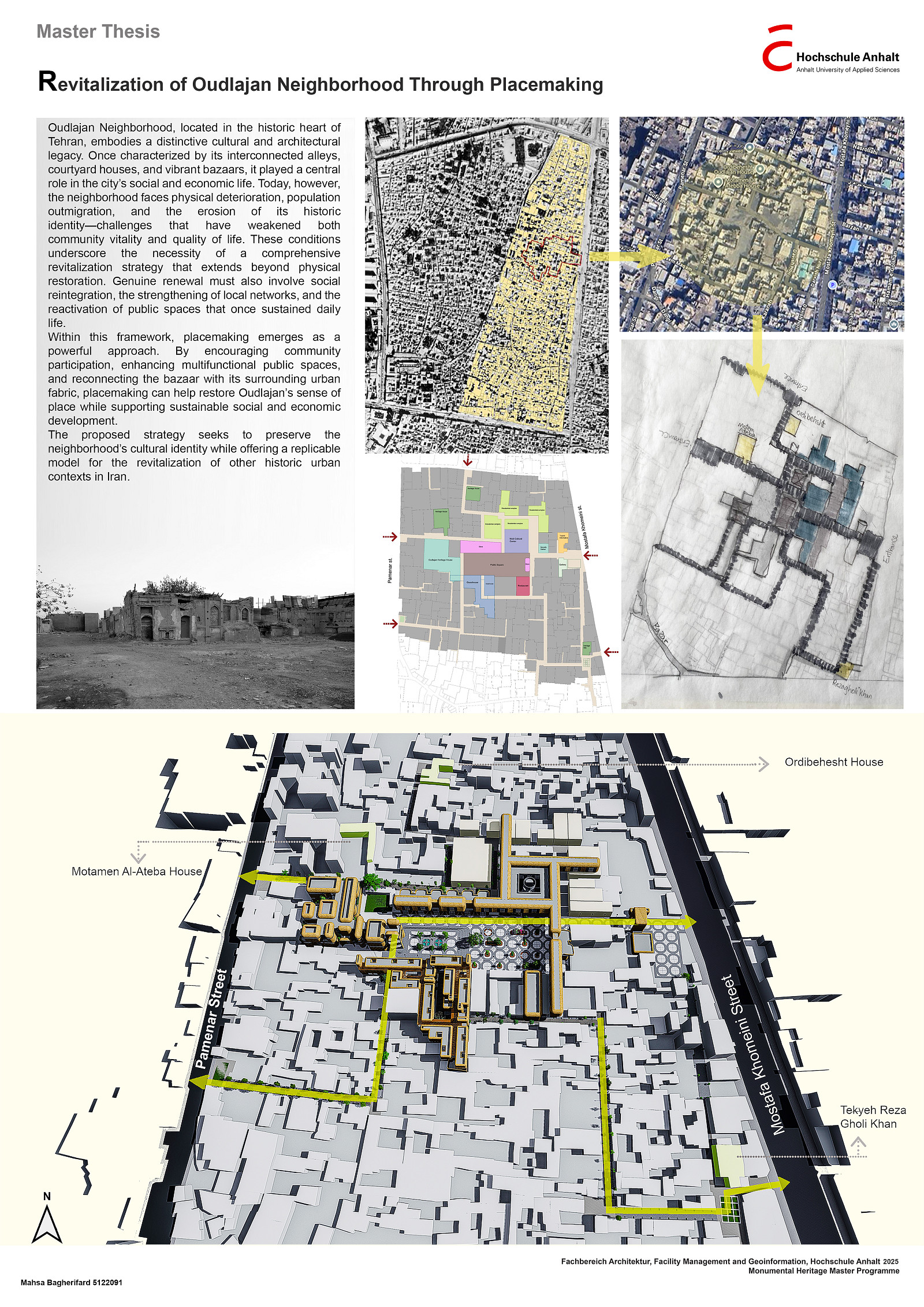
The historic neighborhood of Oudlajan, located in the heart of Tehran, possesses a rich legacy of social, economic, and cultural interactions. Today, however, it faces challenges such as physical deterioration, the migration of native residents, and the erosion of its urban identity. This study aims to revitalize the neighborhood through the placemaking approach, seeking to preserve its cultural heritage while restoring socio-economic vitality and a sense of place.
The research methodology includes a literature review on placemaking and the revitalization of historic urban fabrics, analysis of three successful international case studies (Superkilen, Times Square, and Oslo), and a comprehensive assessment of Oudlajan’s current conditions. This assessment draws on historical data, spatial analysis (GIS), and existing studies—particularly datasets provided by Negin Shahr Consulting and findings from previous researchers—supplemented by limited field data collected directly by the author. This process enabled the identification of key opportunities, challenges, and priority areas for intervention.
The results indicate that applying placemaking principles—such as active community participation, creation of multifunctional public spaces, strengthening the connection between the bazaar and surrounding areas, and the creative use of cultural elements—can enhance quality of life, reinforce historical identity, and stimulate the local economy. The proposed framework offers a practical model for revitalizing historic urban fabrics, with the potential to be adapted for other heritage neighborhoods in Iran.
Project description
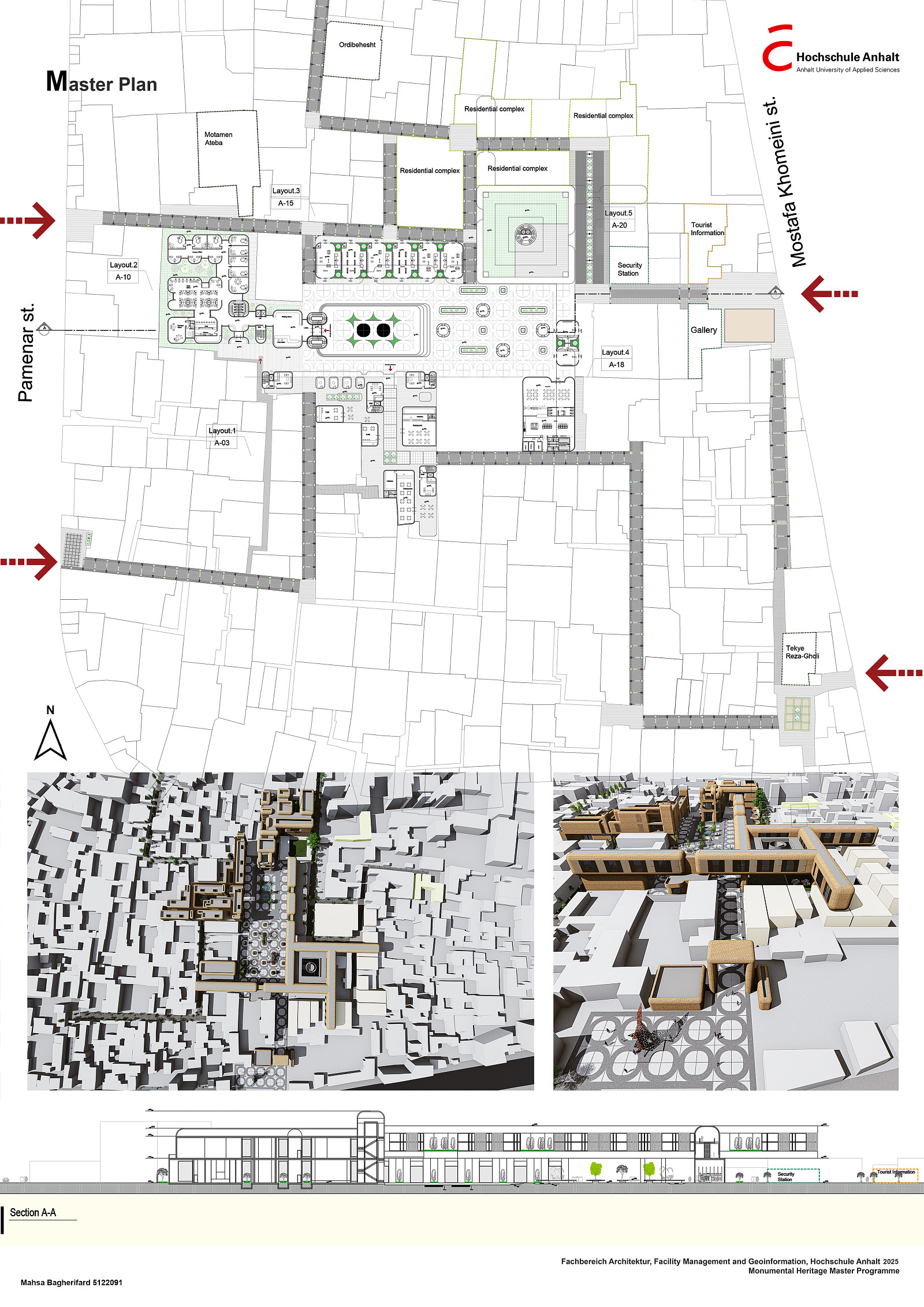
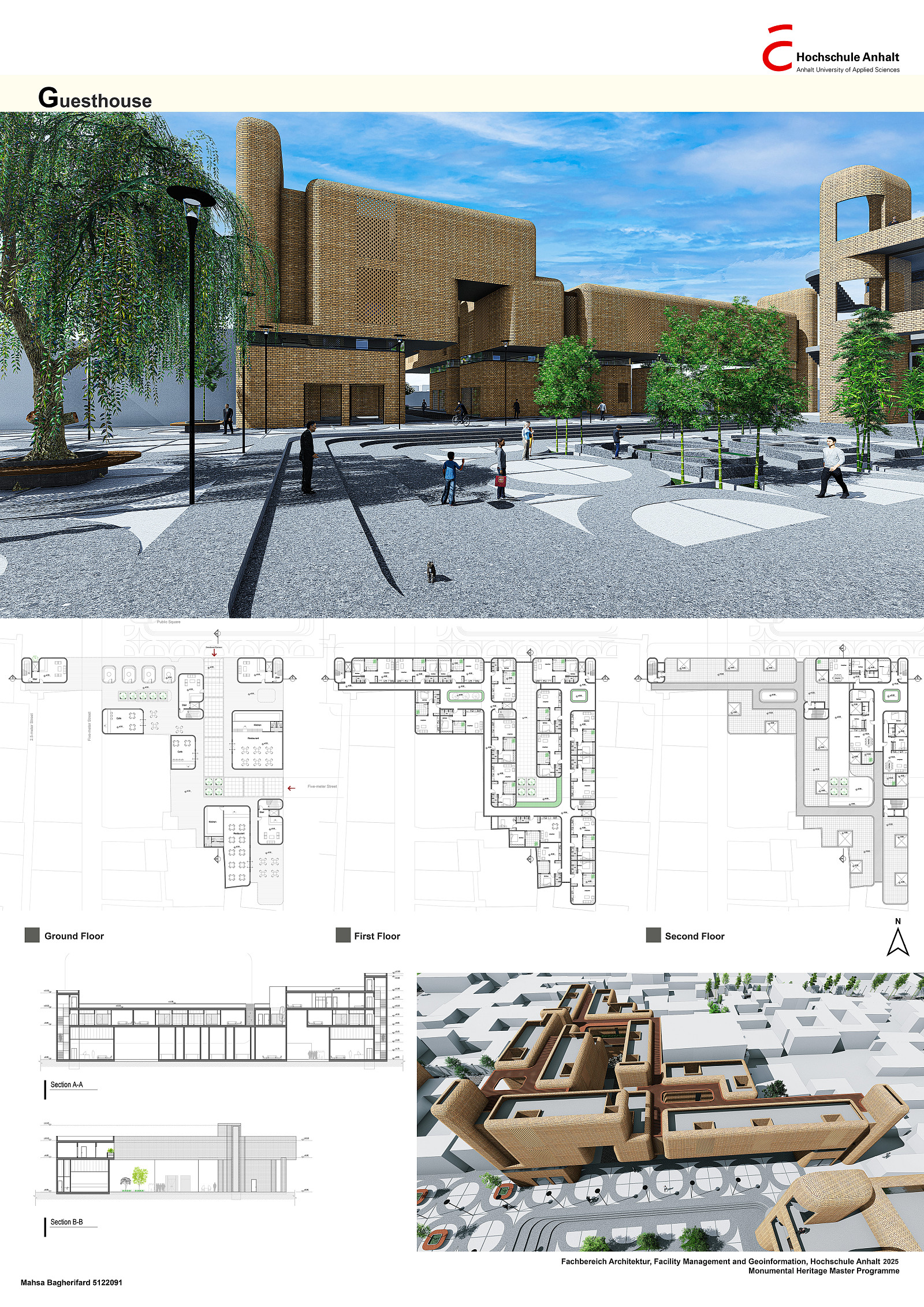
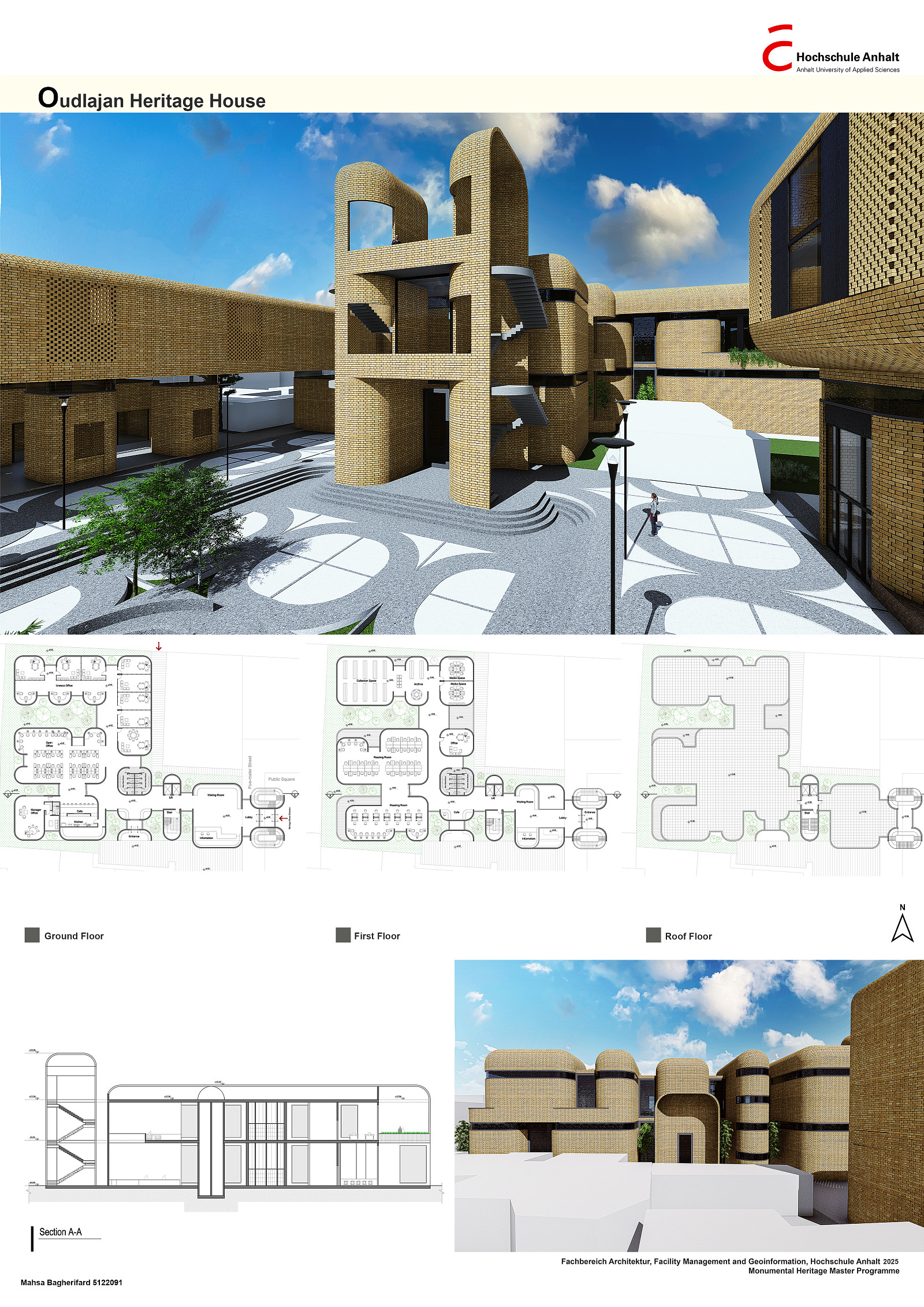
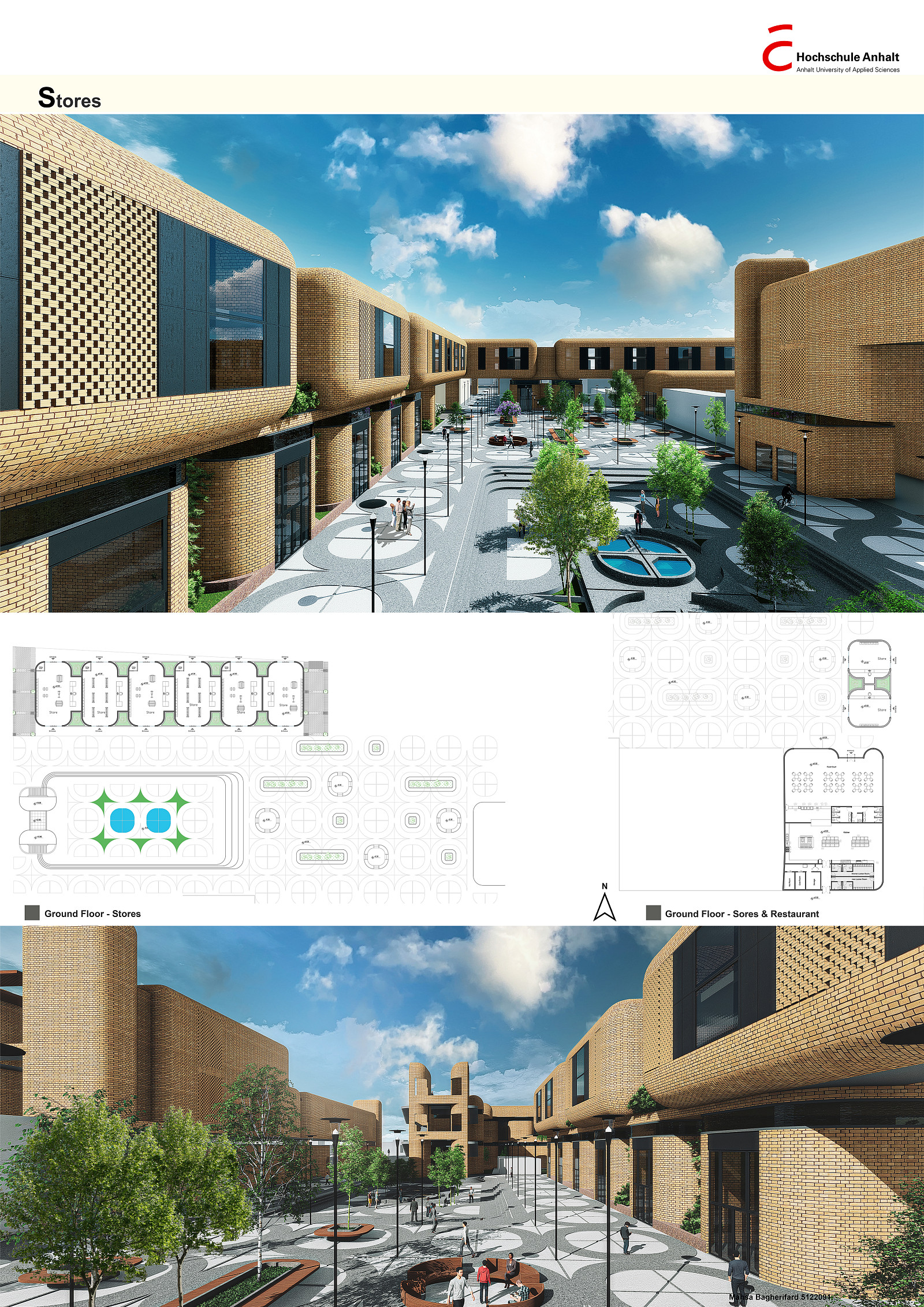
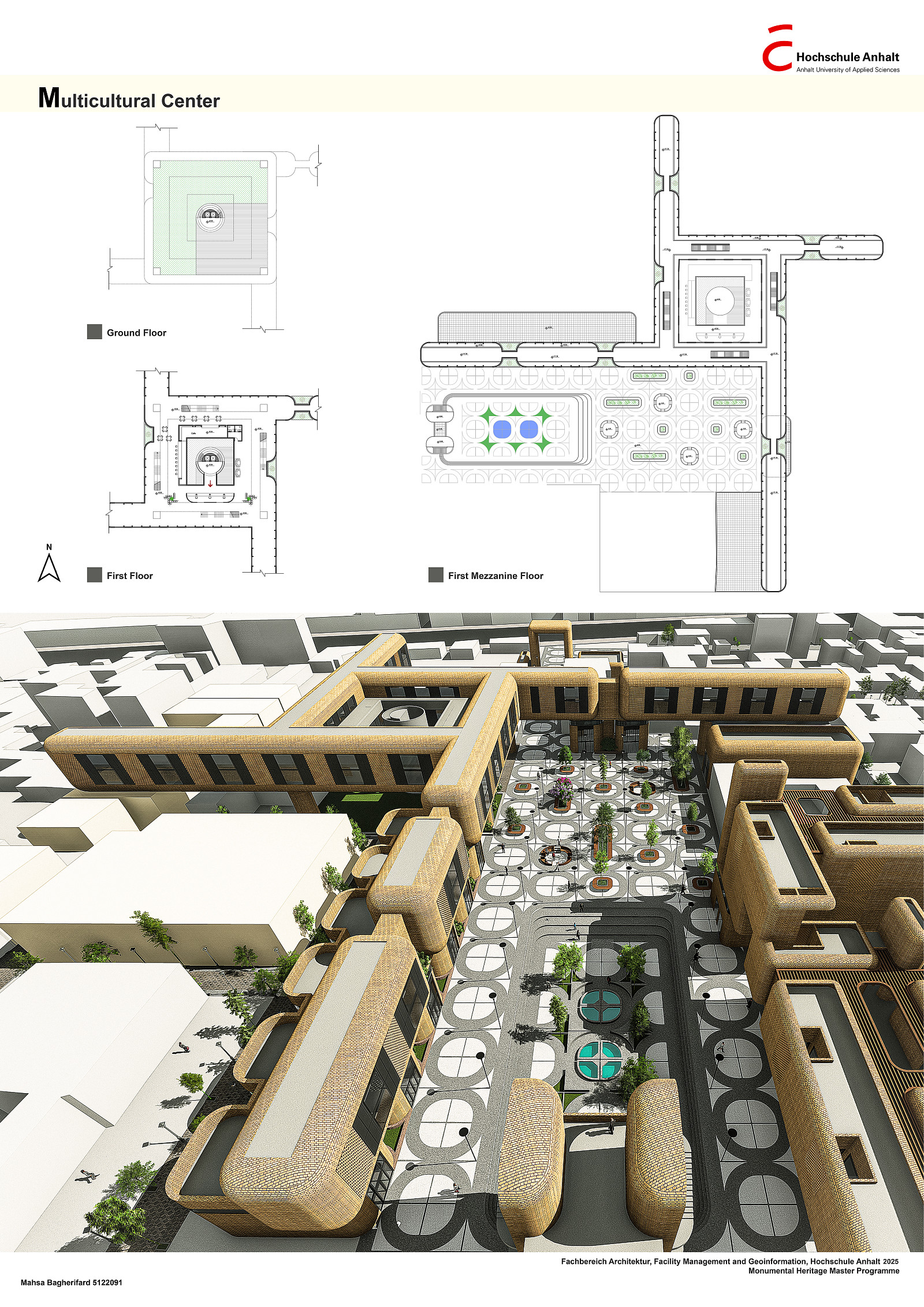
It presented the conceptual design and proposed strategies for revitalizing the central fabric of the Oudlajan neighborhood, utilizing placemaking principles. The process began with an assessment of the needs and priorities of local stakeholders, followed by the identification of key intervention points and spatial opportunities. We then applied a participatory design approach and developed spatial scenarios to address the neighborhood's physical, social, and economic challenges.
The outcomes of this process include detailed design proposals and practical solutions aimed at enhancing the quality of public spaces, reinforcing historical identity, and promoting improved social interactions and economic vitality.
Technical information
This research, aimed at revitalizing the historic core of Oudlajan and restoring its socio-cultural identity, followed a coherent path from contextual analysis to the formulation of design interventions and policy recommendations. The findings reveal that the challenges of the neighborhood are not solely the result of physical deterioration, but rather the convergence of social, economic, and governance crises.
Historical and analytical studies demonstrate that the vital link between the residential north and the commercial south—once maintained through public spaces and pedestrian networks—has been severely disrupted by land-use changes, the outmigration of native residents, and the expansion of Tehran’s Grand Bazaar. This rupture has not only diminished social interactions but has also led to a collective amnesia and a decline in social capital.
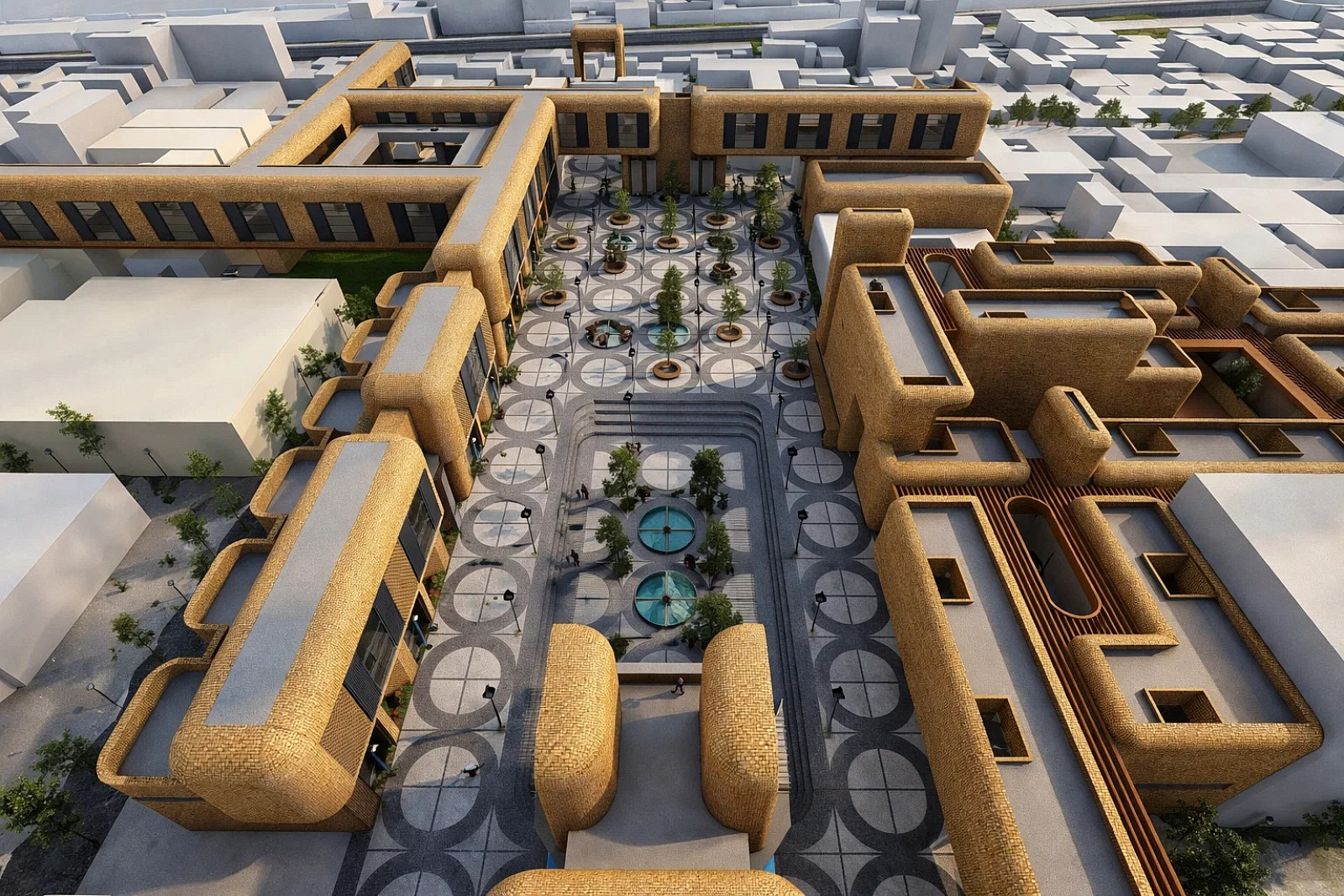
The final design scenario, grounded in triangulation techniques and placemaking principles, redefines the neighborhood center as the heart of interactions, using three key heritage assets—Motamen al-Atba House, Ordibehesht House, and Tekyeh Rezaqoli Khan—as focal points. This approach transforms abandoned and unsafe spaces into active, mixed-use cultural–economic hubs, fostering both social vitality and tourism.
A critical aspect of the proposal is the recognition and preservation of Oudlajan’s multi-layered cultural identity. Historically, this was a neighborhood where Jewish immigrants lived in continuous and meaningful coexistence with Muslim Iranians, contributing to the rich social fabric of the area. The proposed strategy advocates for adopting the same inclusive perspective toward today’s migrant communities—ensuring that interventions not only reconnect people spatially but also rebuild human bonds across cultures. Furthermore, the Jewish heritage of Oudlajan—both tangible and intangible—must be preserved and safeguarded as a living symbol of the neighborhood’s layered past, forming an essential component of its restored identity.
The impact assessment and monitoring framework indicate that, through multi-layered governance and hybrid financing, these interventions can improve public space quality and safety in the short term, while restoring historical identity and rebuilding social capital in the long term.
Ultimately, this project demonstrates that the revitalization of historic urban fabrics is not merely a physical process, but a multidimensional path requiring the synergy of urban design, policymaking, community participation, economic dynamism, and cultural sensitivity. If successfully implemented, Oudlajan can serve as a practical model for the sustainable regeneration of historic neighborhoods in Tehran and other Iranian cities, honoring its diverse heritage while embracing a future of inclusive urban life.

Copyright © 2026 INSPIRELI | All rights reserved. Use of this website signifies your agreement to the Terms of Use, Privacy Policy, and use of cookies.