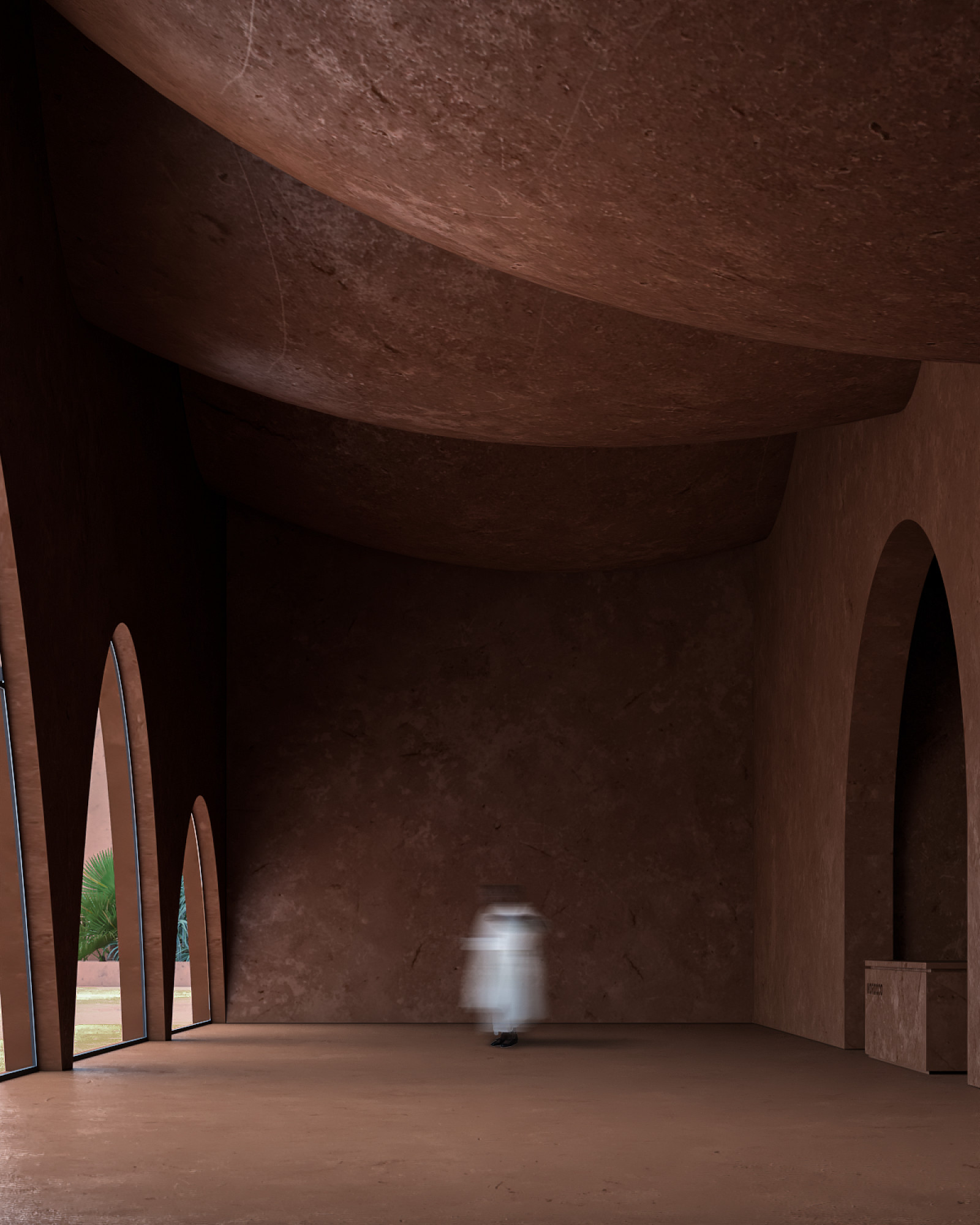
morocco pavilion


Project idea
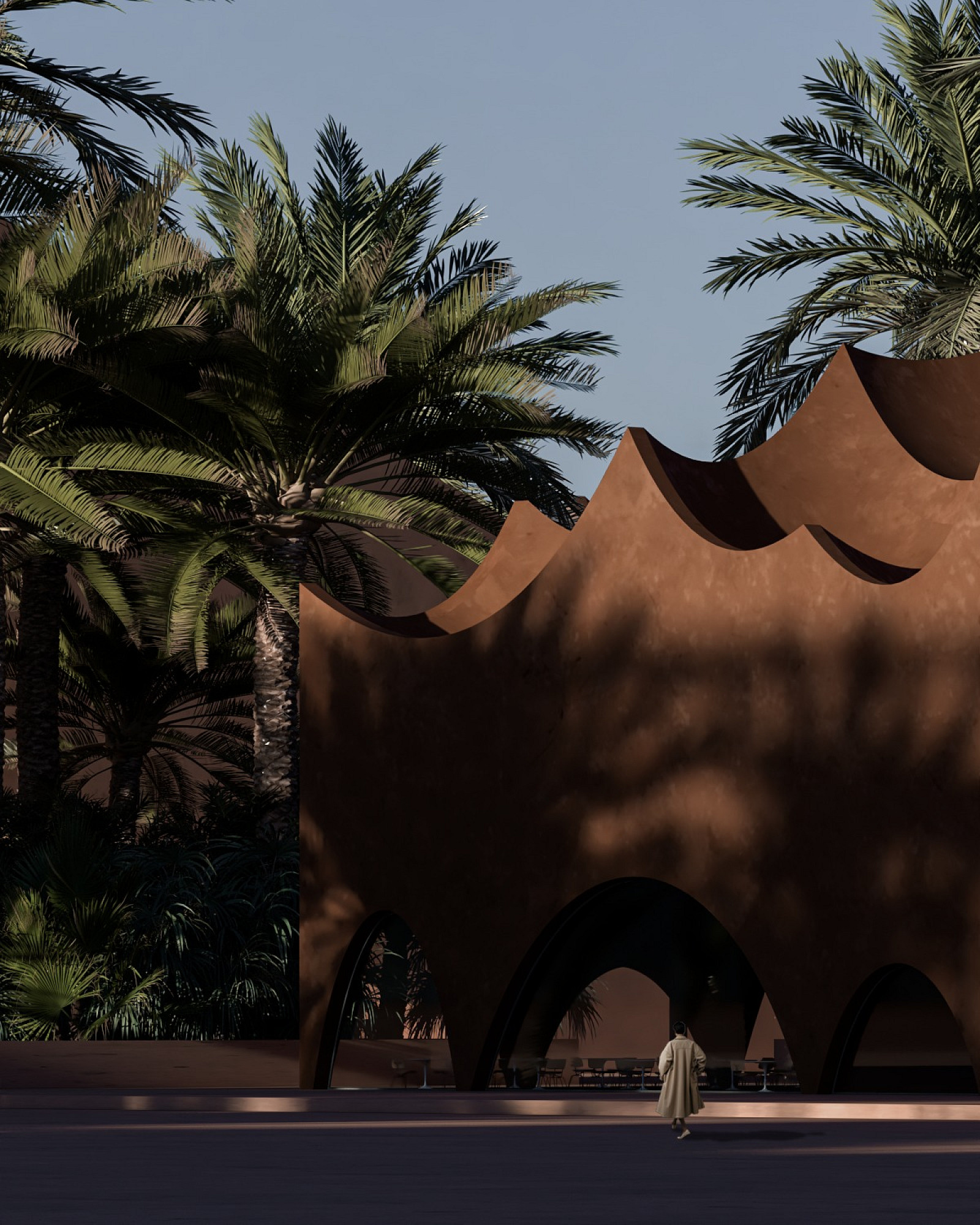
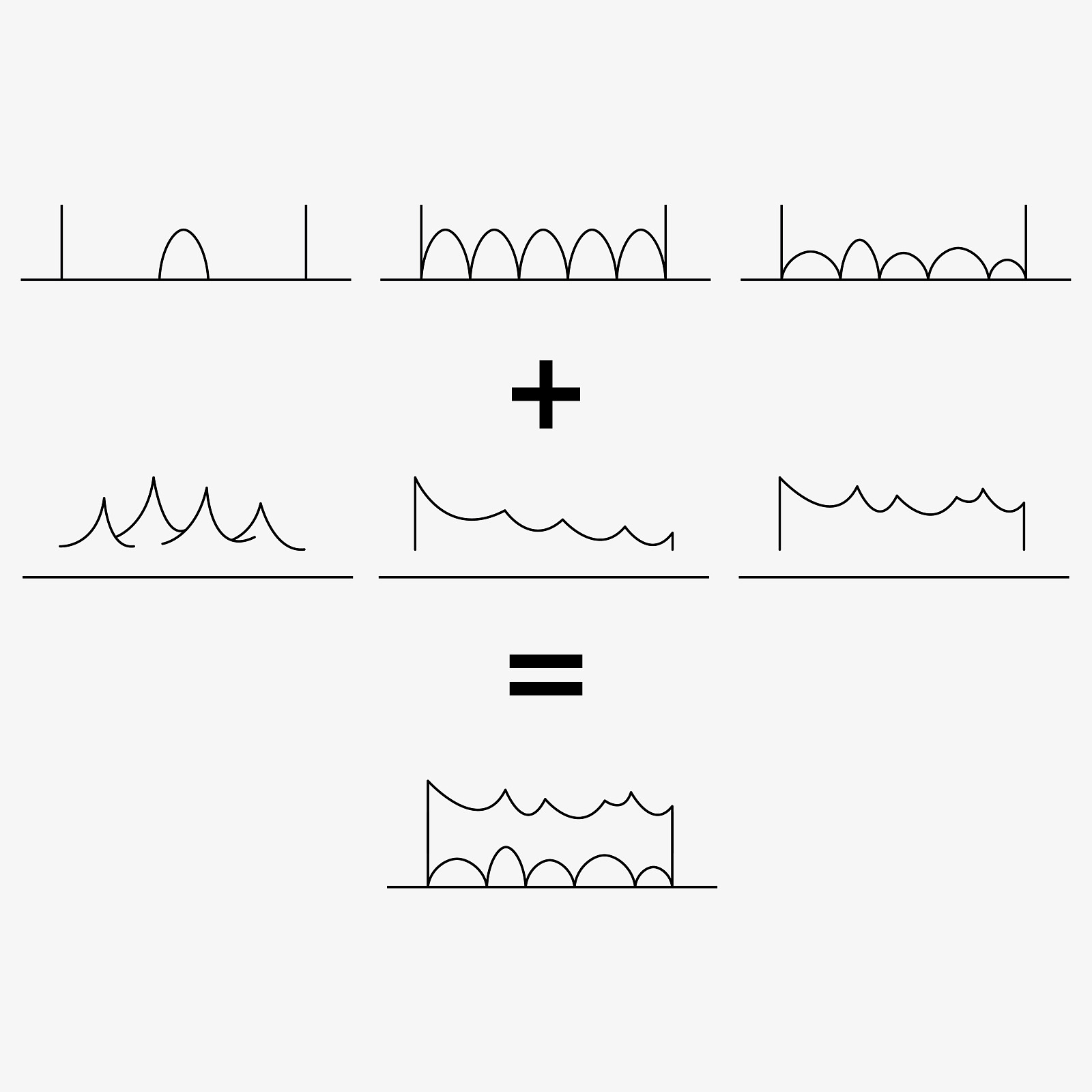
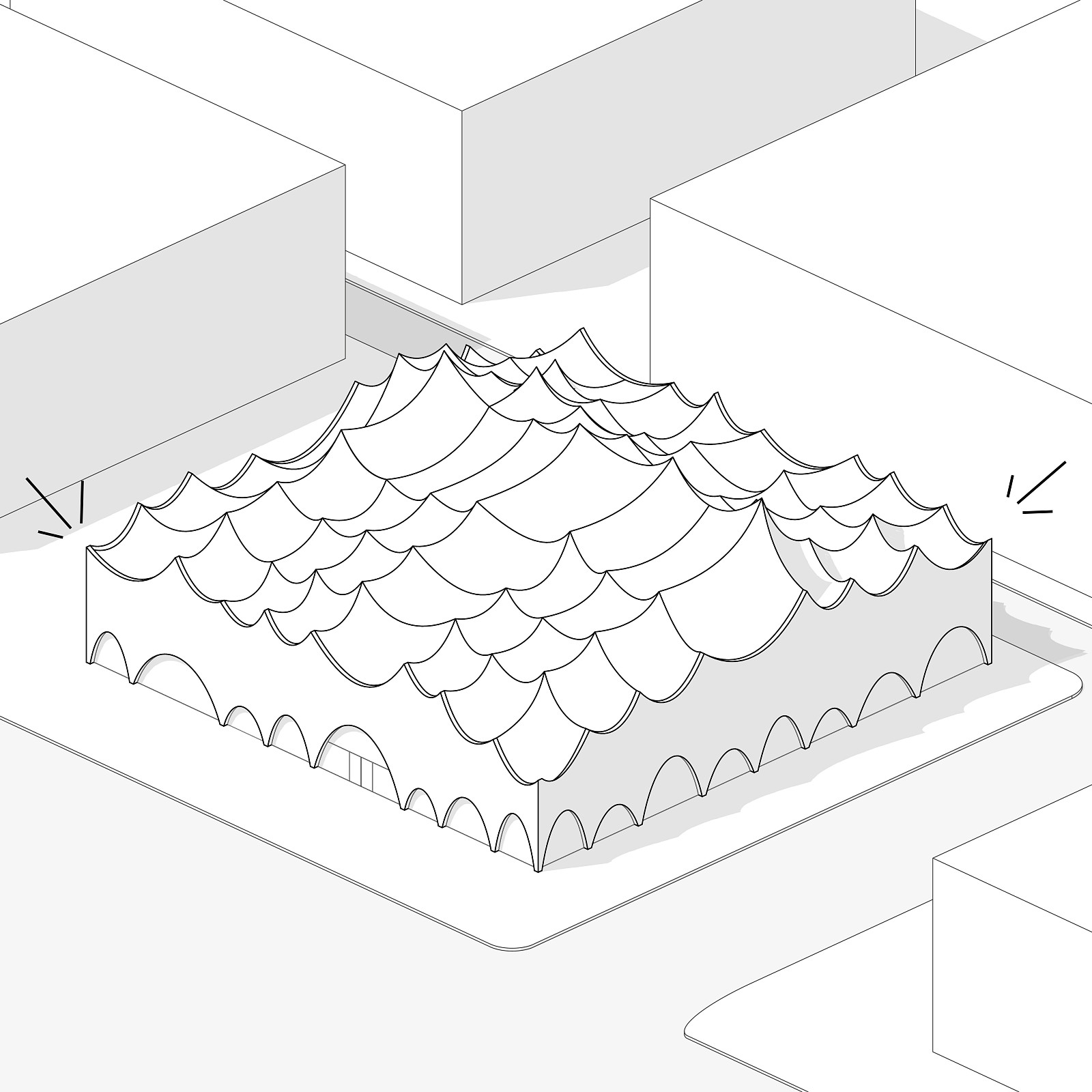
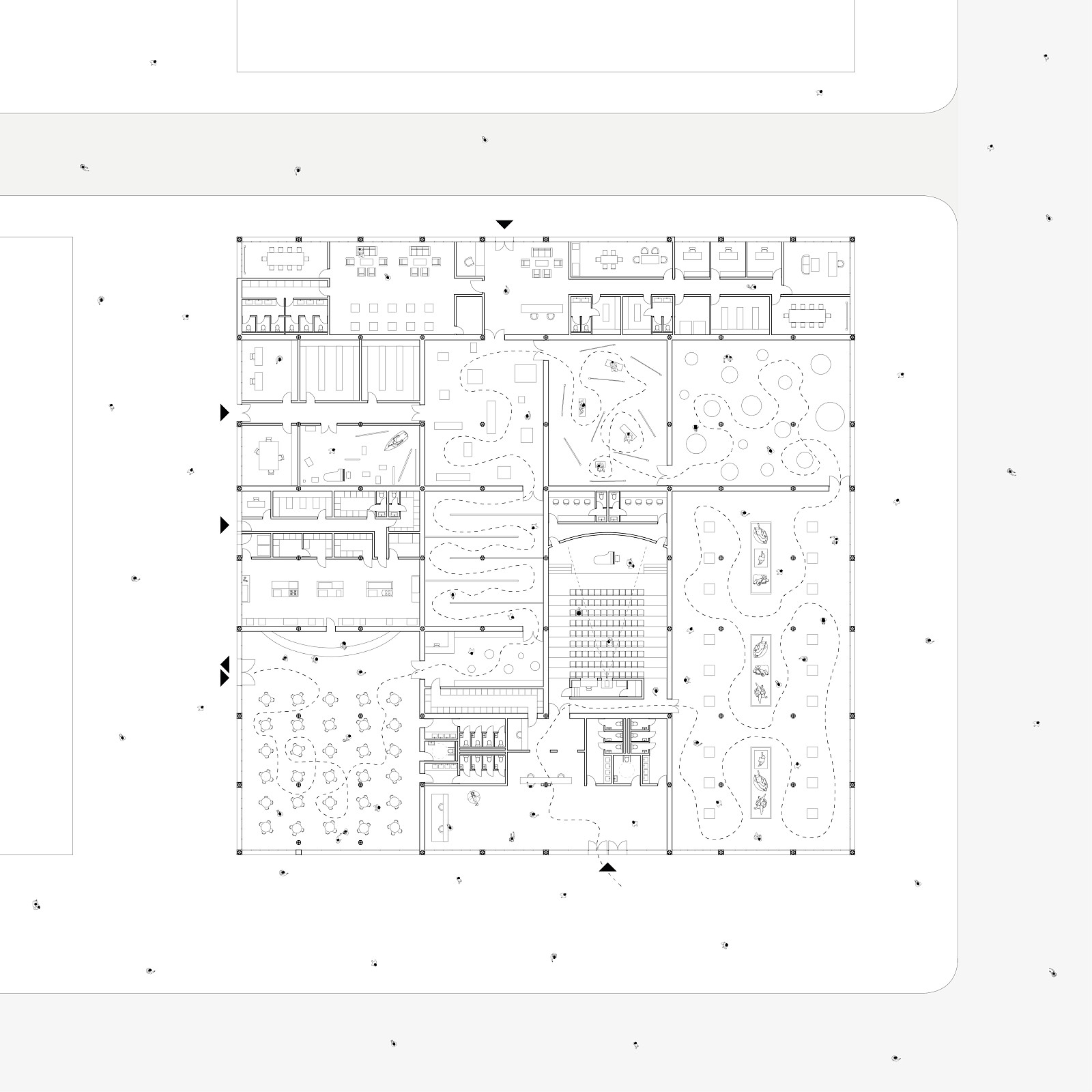
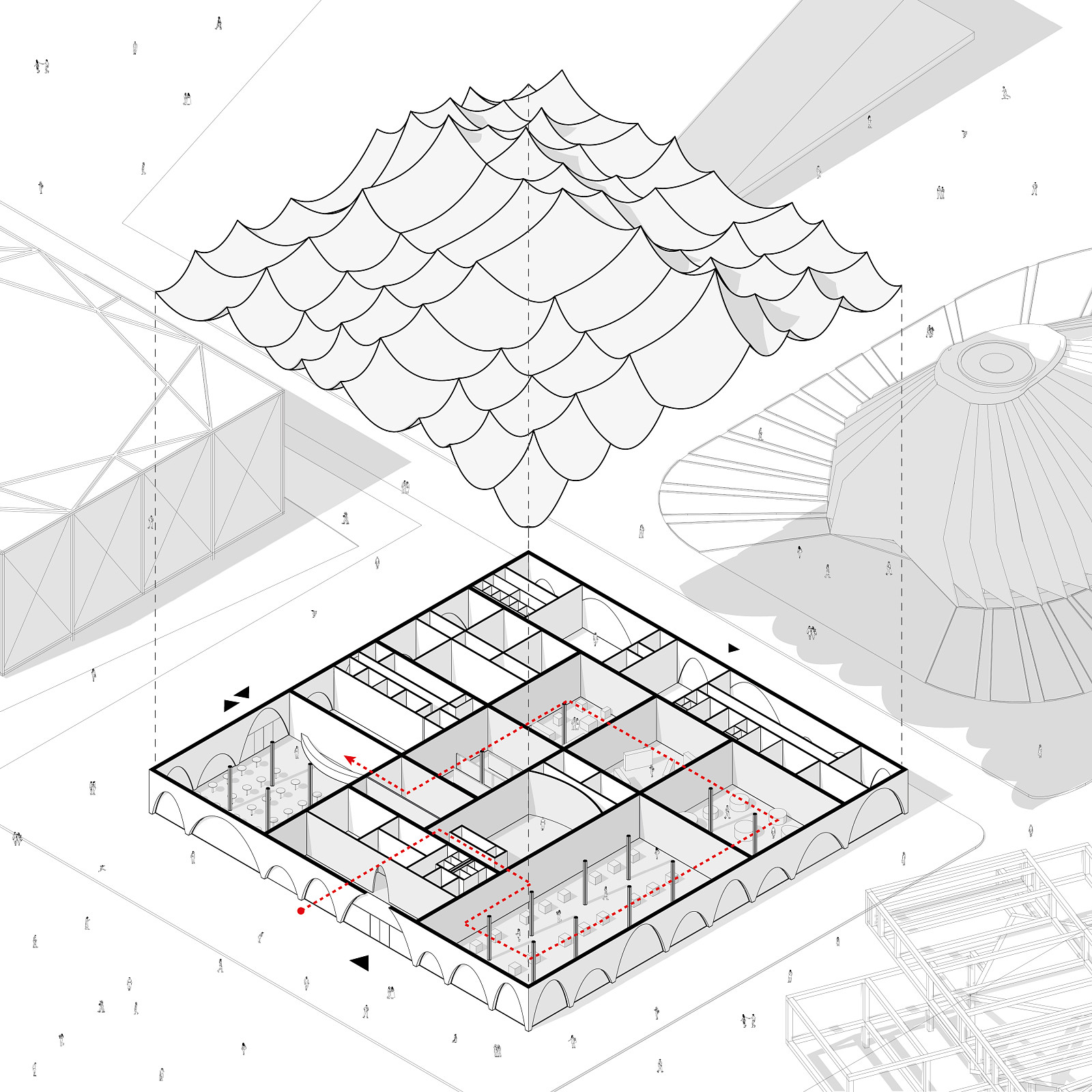
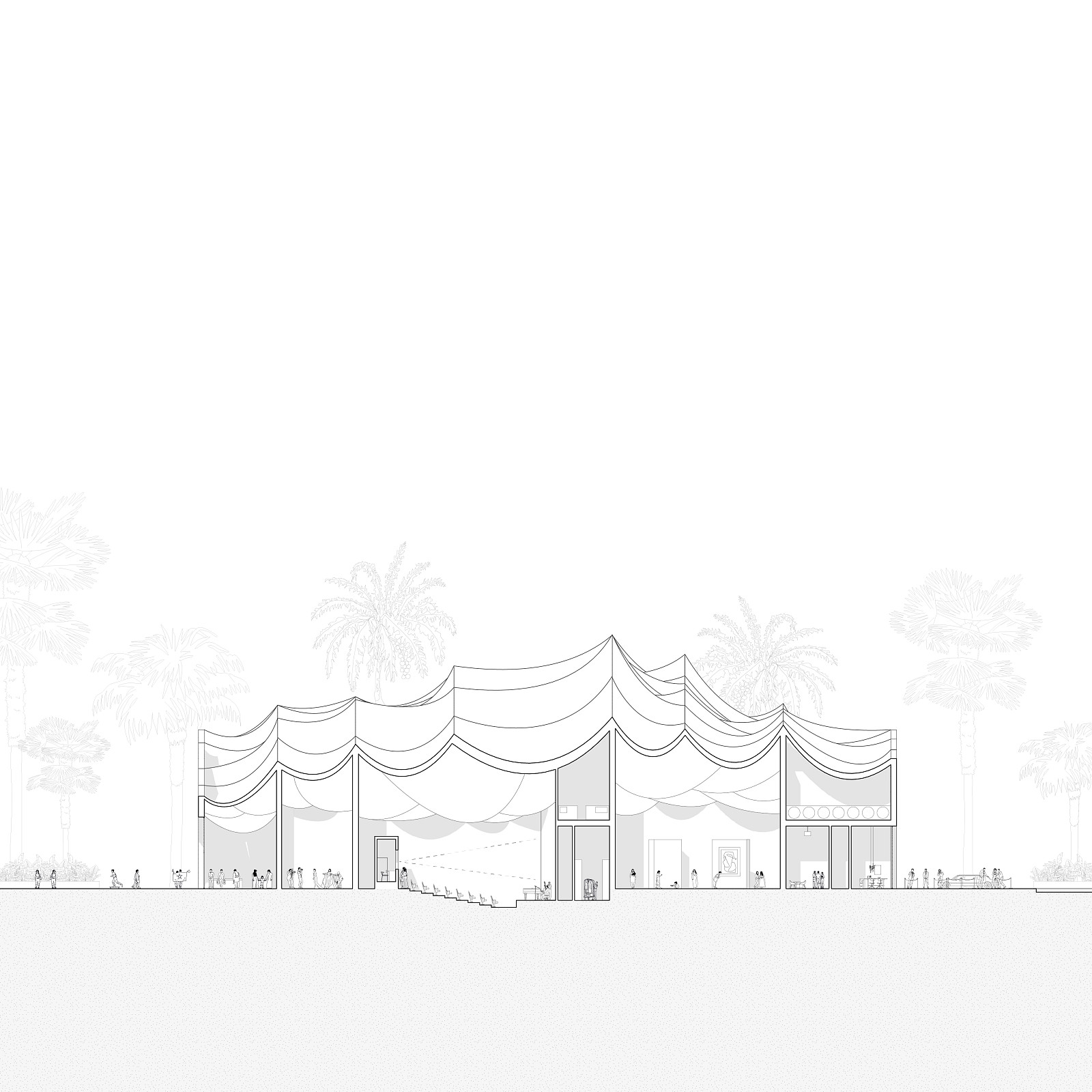
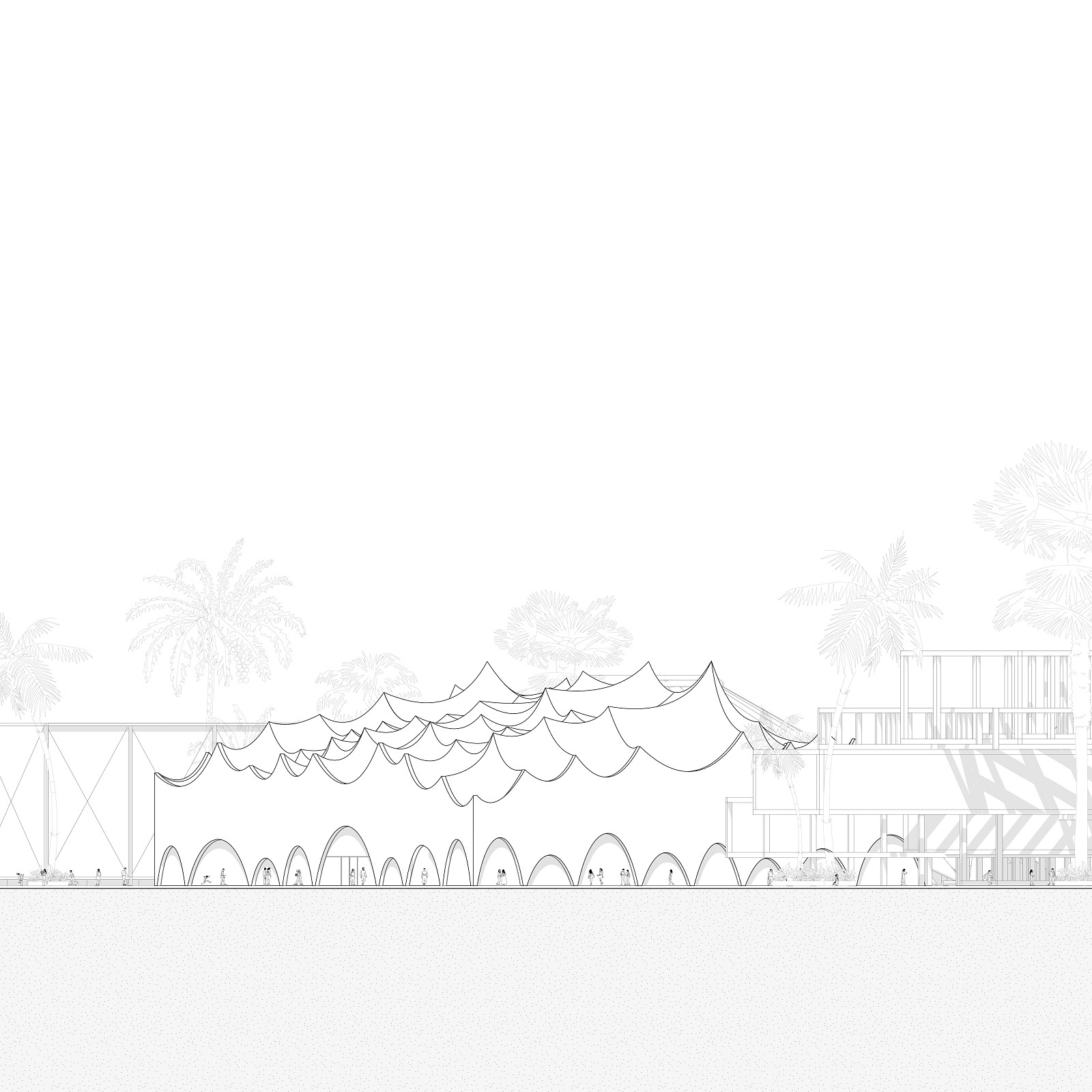
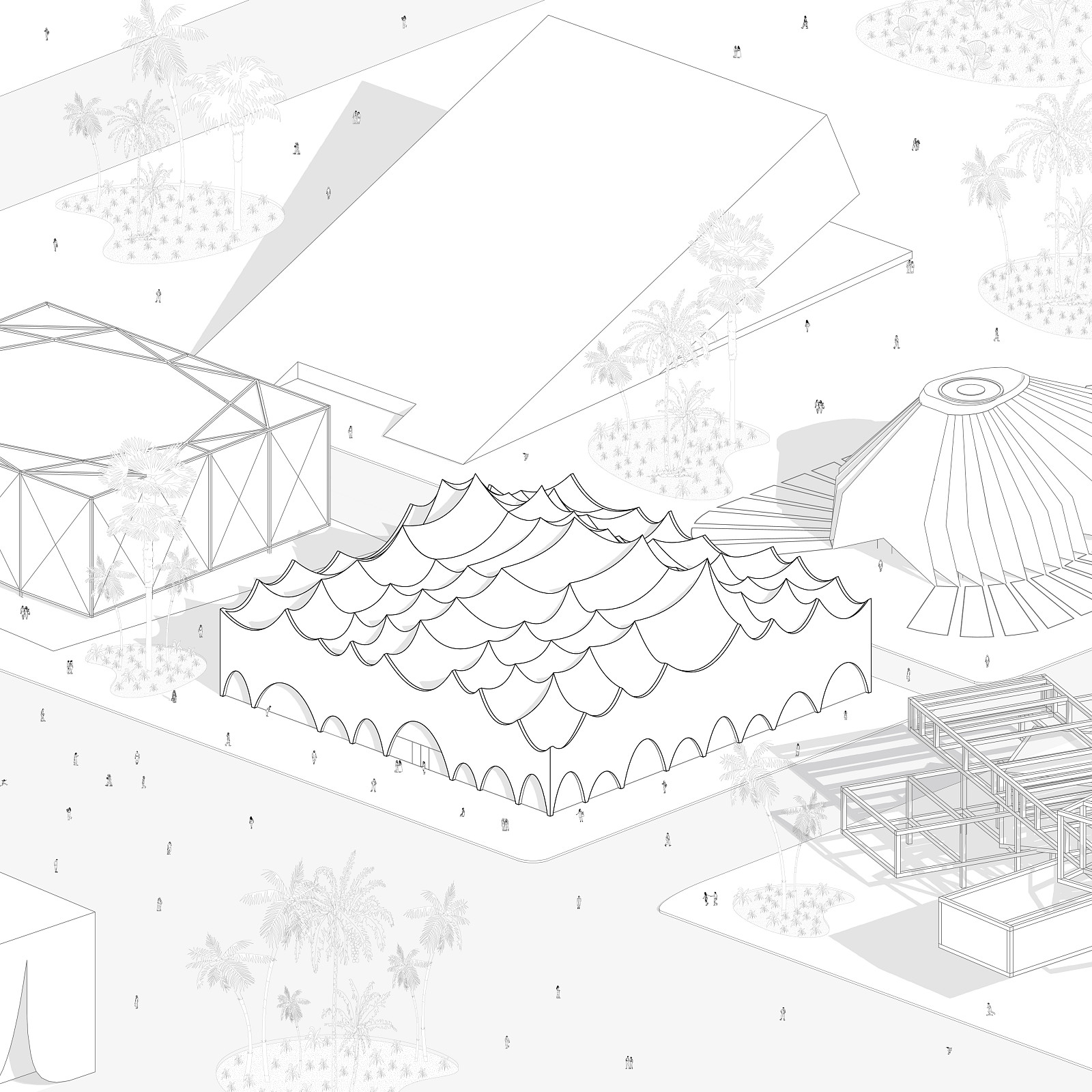
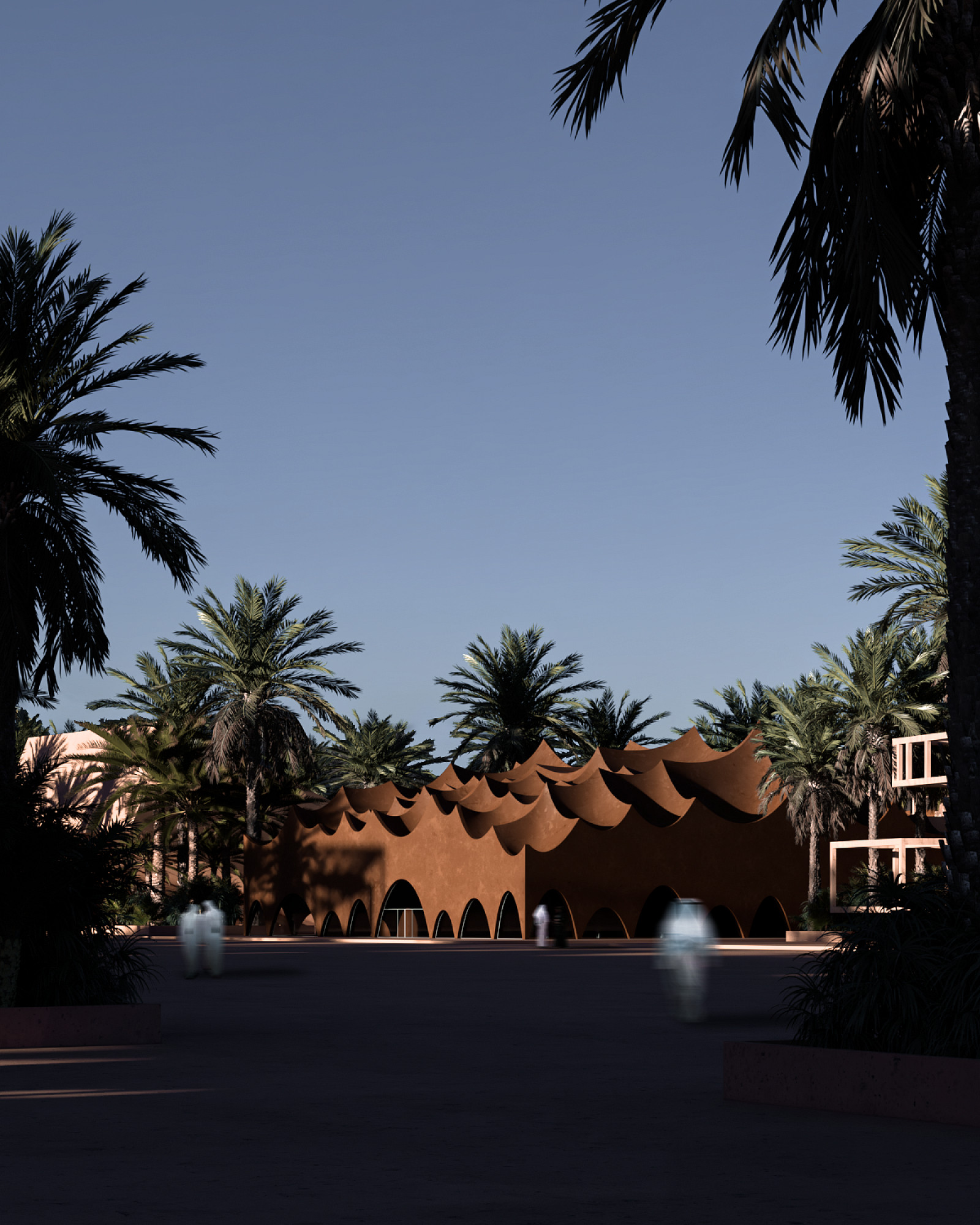
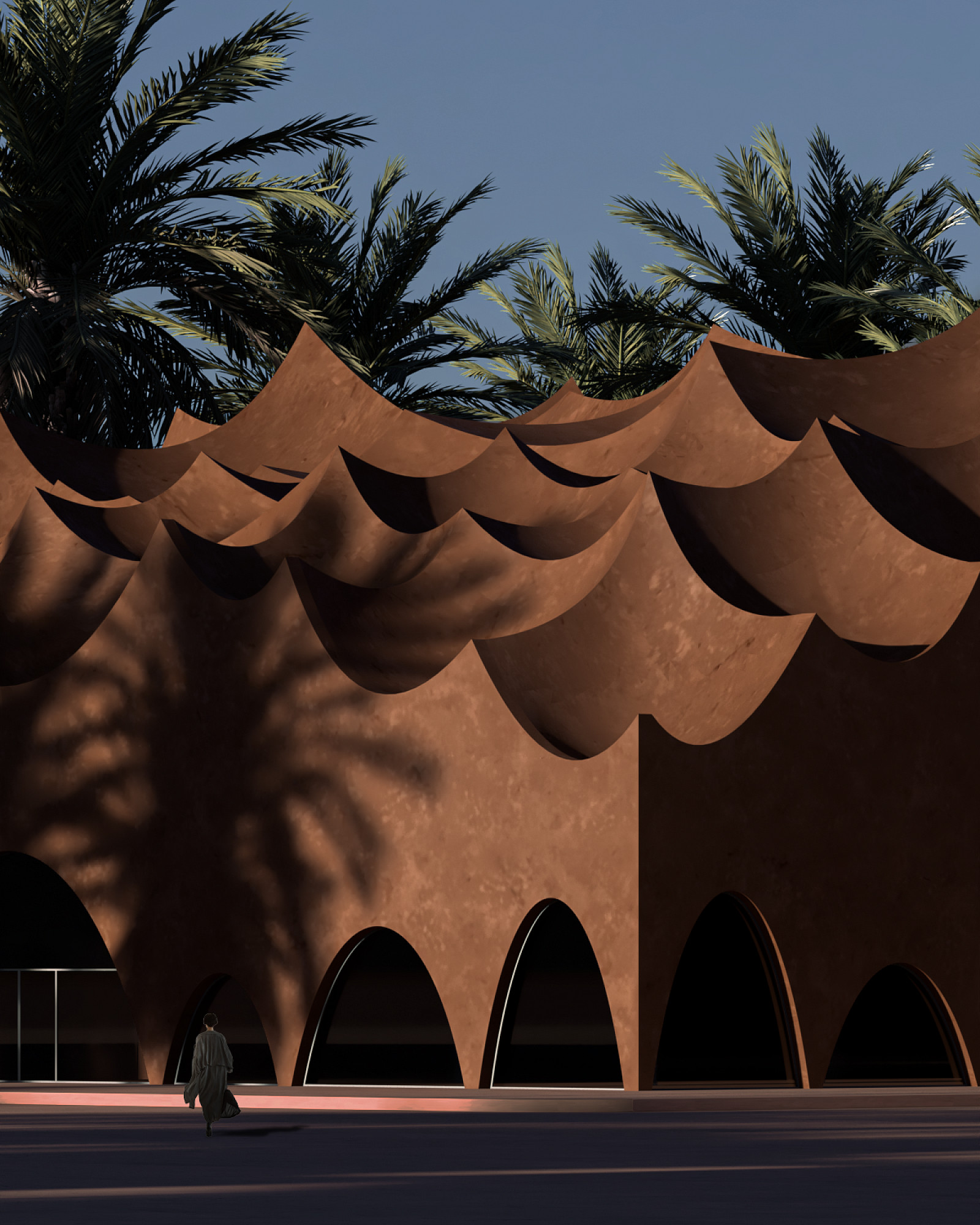
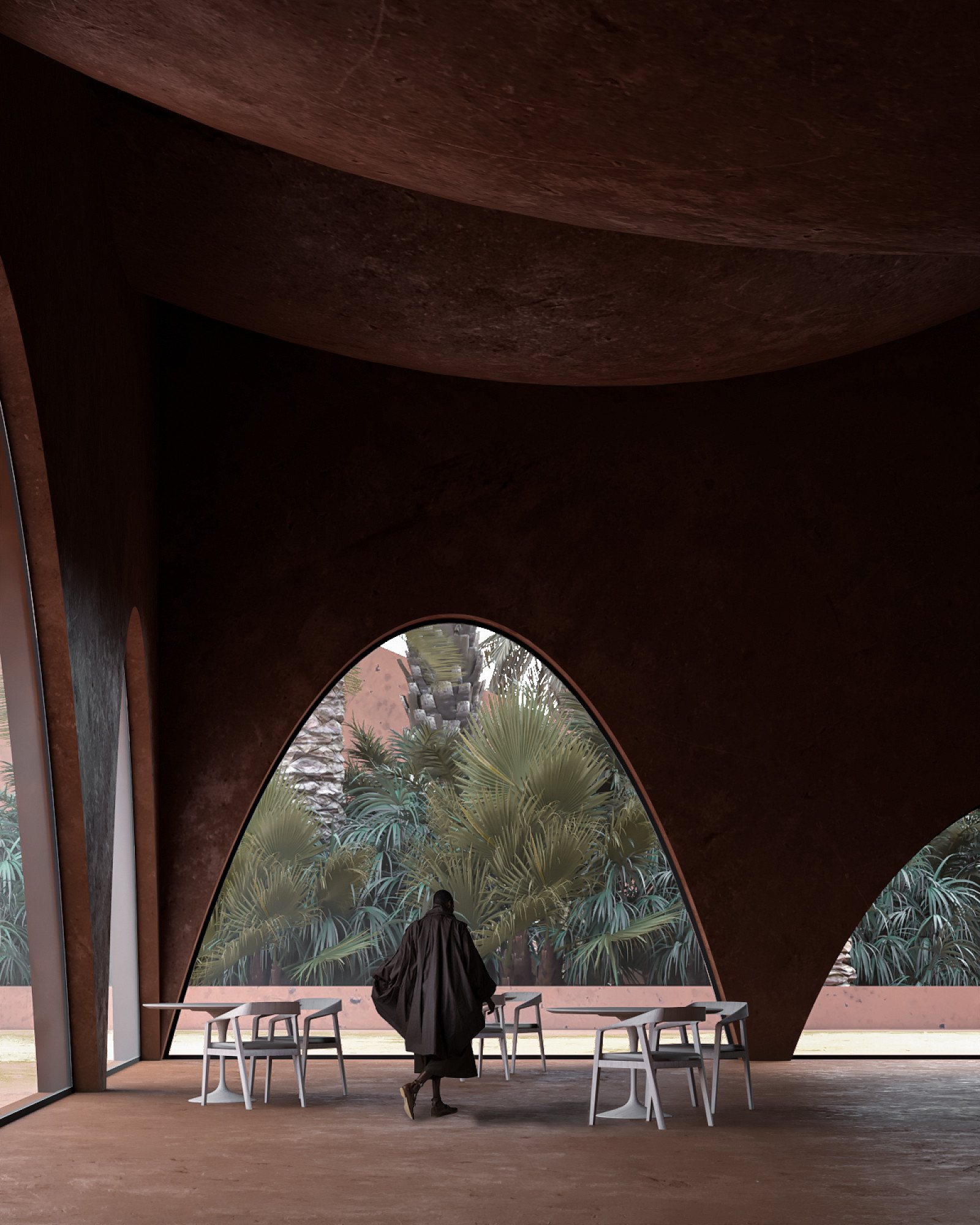
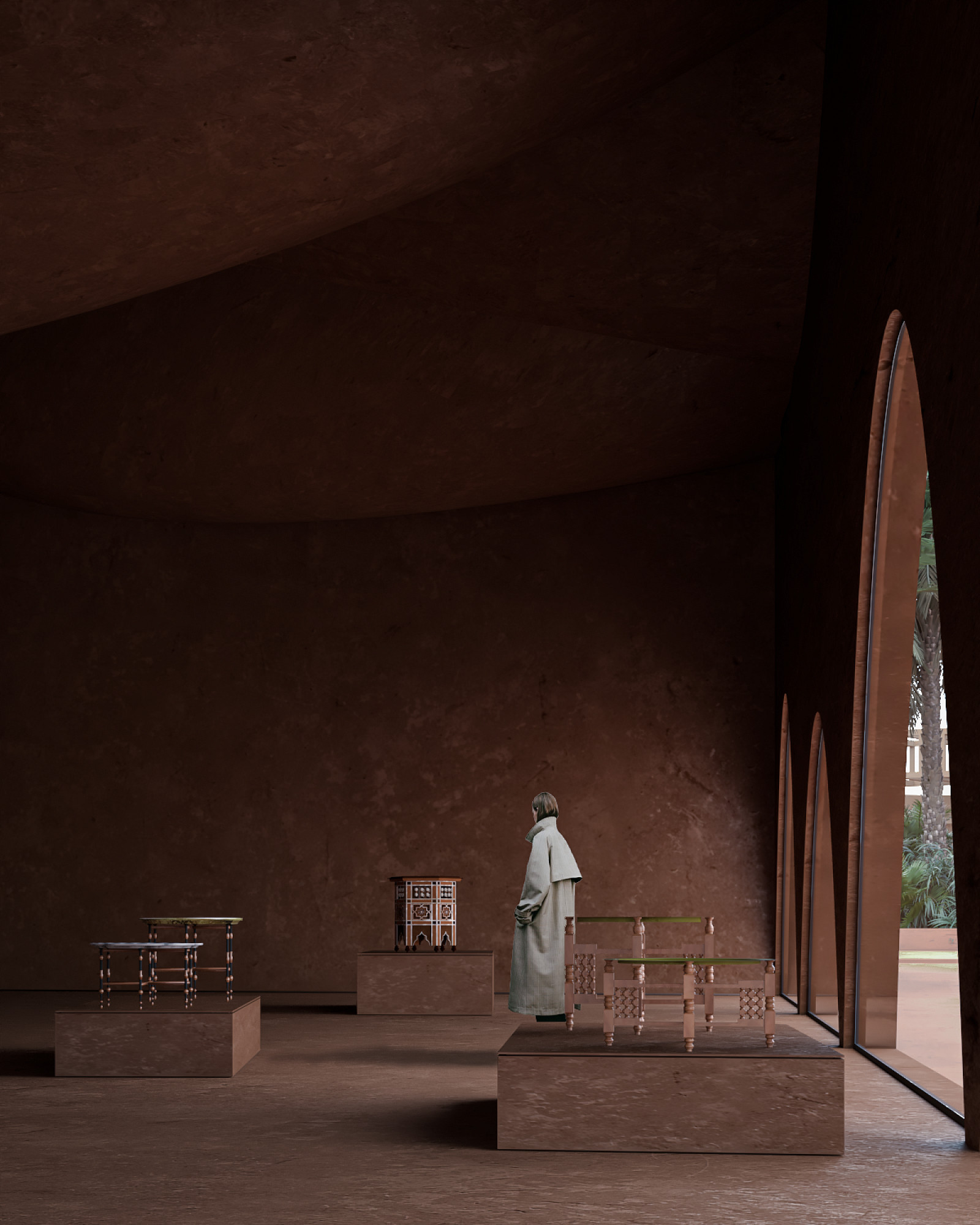
The Morocco Pavilion is a captivating architectural marvel that draws inspiration from the iconic forms of the Bedouin tents and the ornate arched doors found in the ancient medinas. Nestled within a world expo or cultural exhibition, this pavilion aims to showcase the cultural tapestry of Morocco, linking its northern and southern regions while offering visitors an immersive journey through the nation's rich and diverse heritage.
Project description
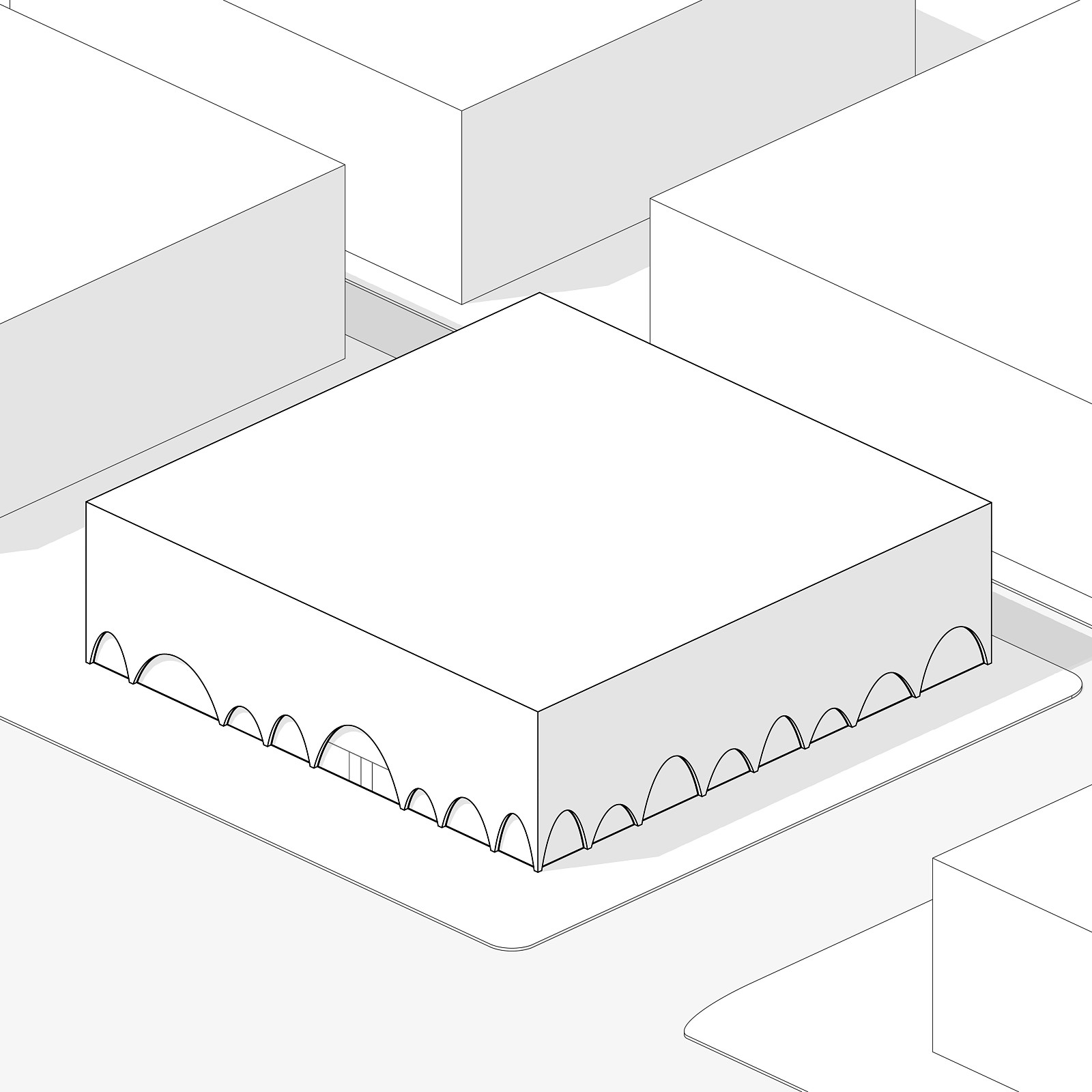
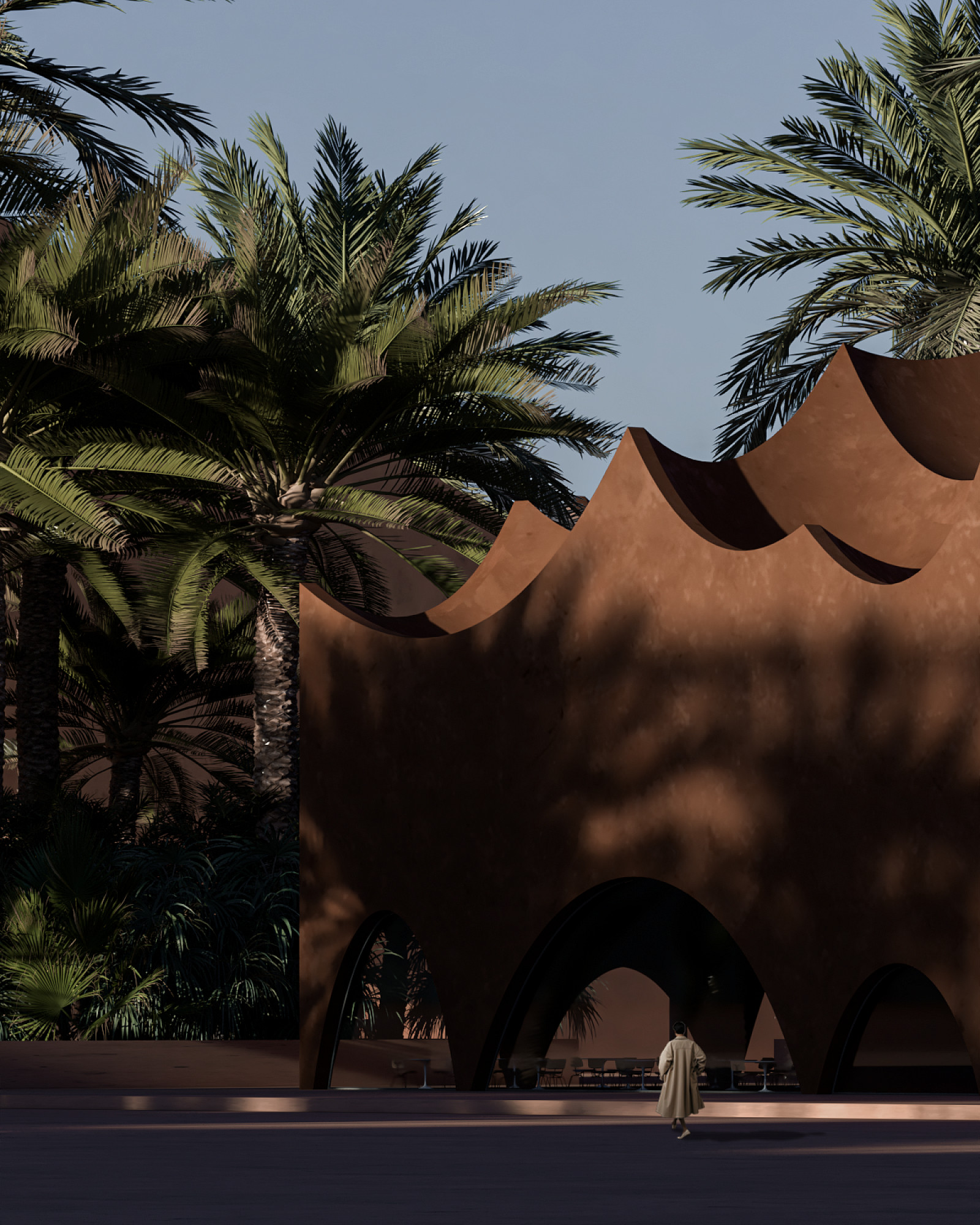
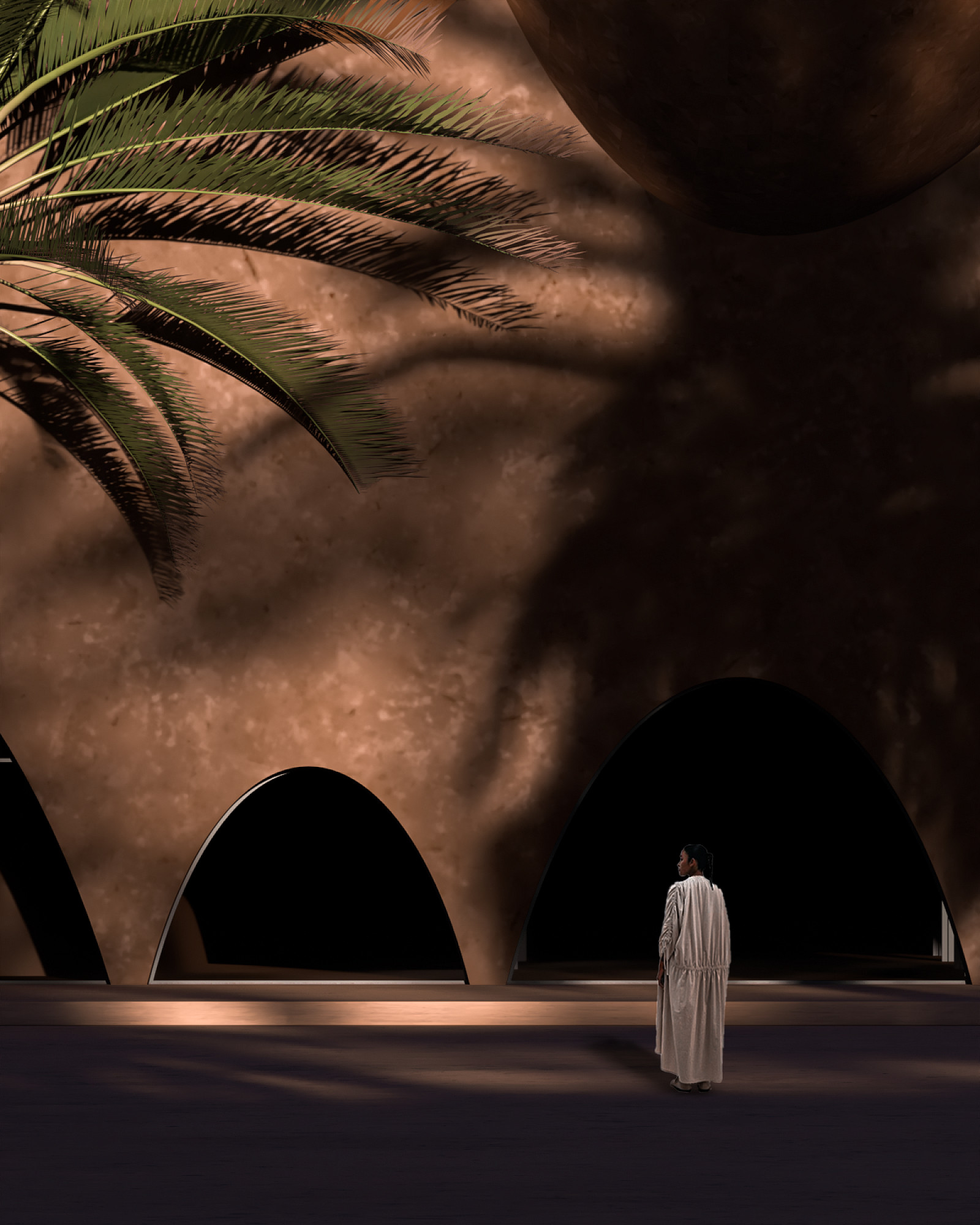
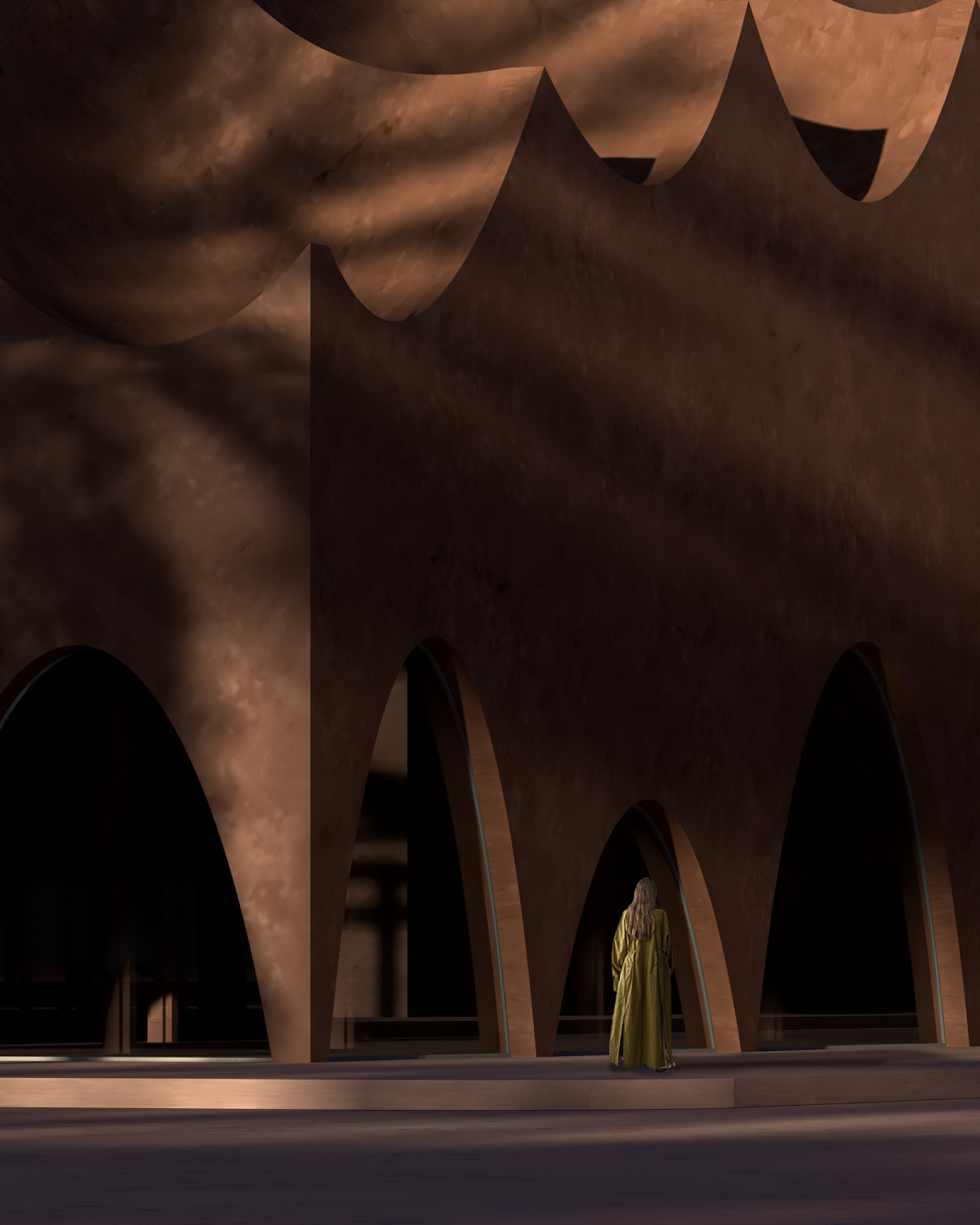
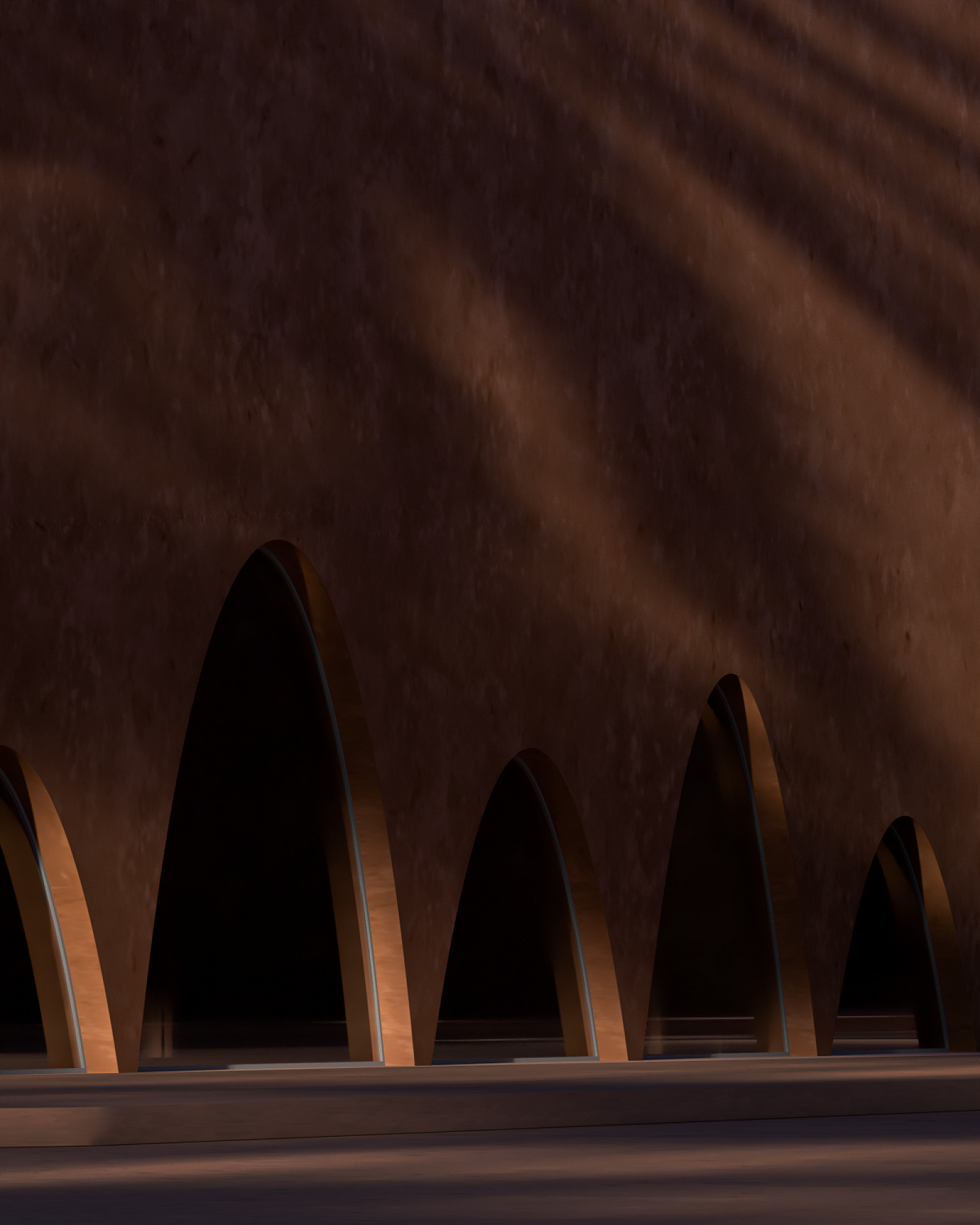
The exterior of the Morocco Pavilion stands as an awe-inspiring spectacle, paying homage to the nomadic spirit of the Bedouin tents and the architectural charm of the medina. Its design gracefully blends traditional elements with contemporary aesthetics. The pavilion's structure echoes the fluid curves of Bedouin tents, forming a seamless connection with the surrounding environment. At the entrance, visitors are greeted by majestic arched doors, reminiscent of the grand gates found in the historic medinas, inviting them to embark on a transformative journey through Morocco's cultural diversity.
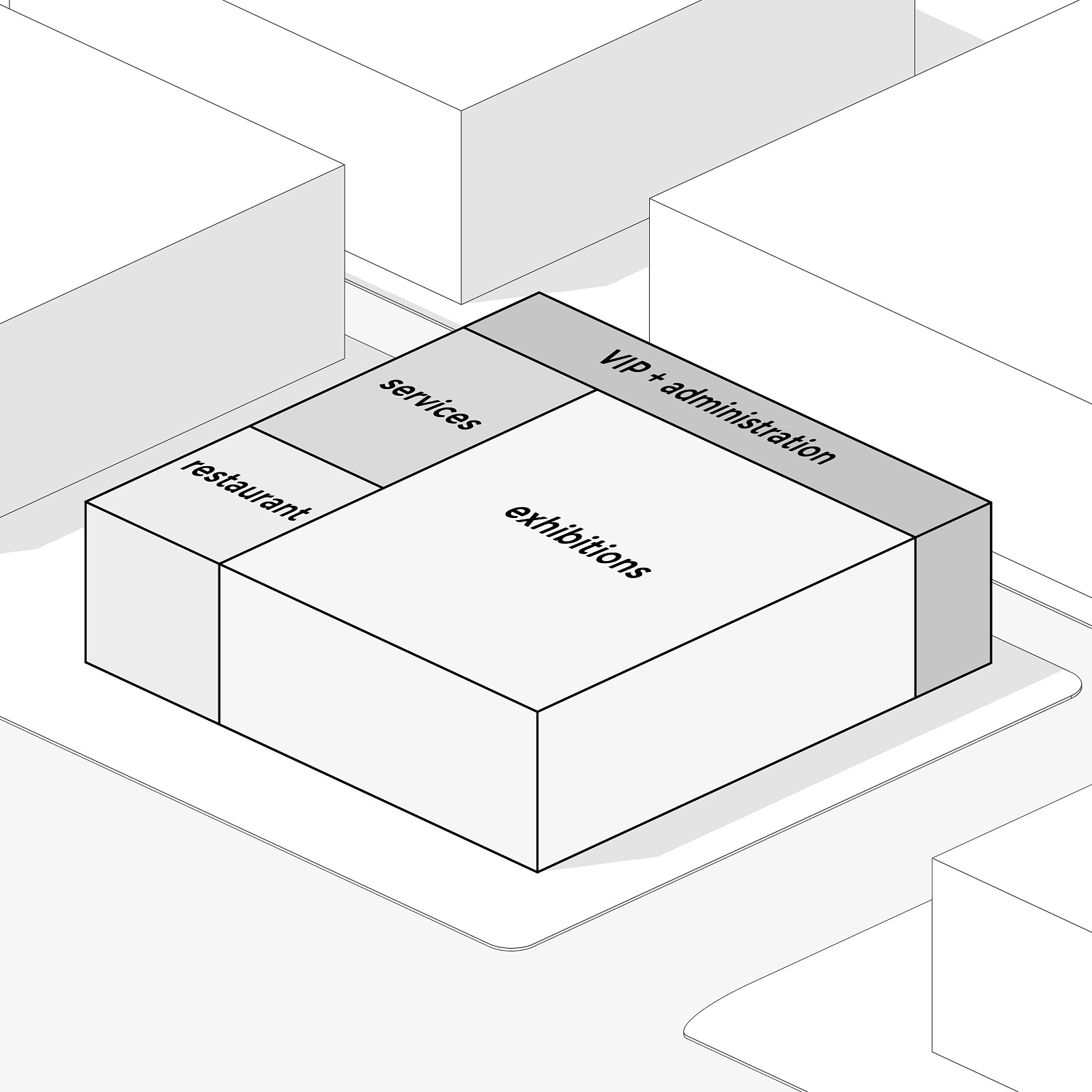
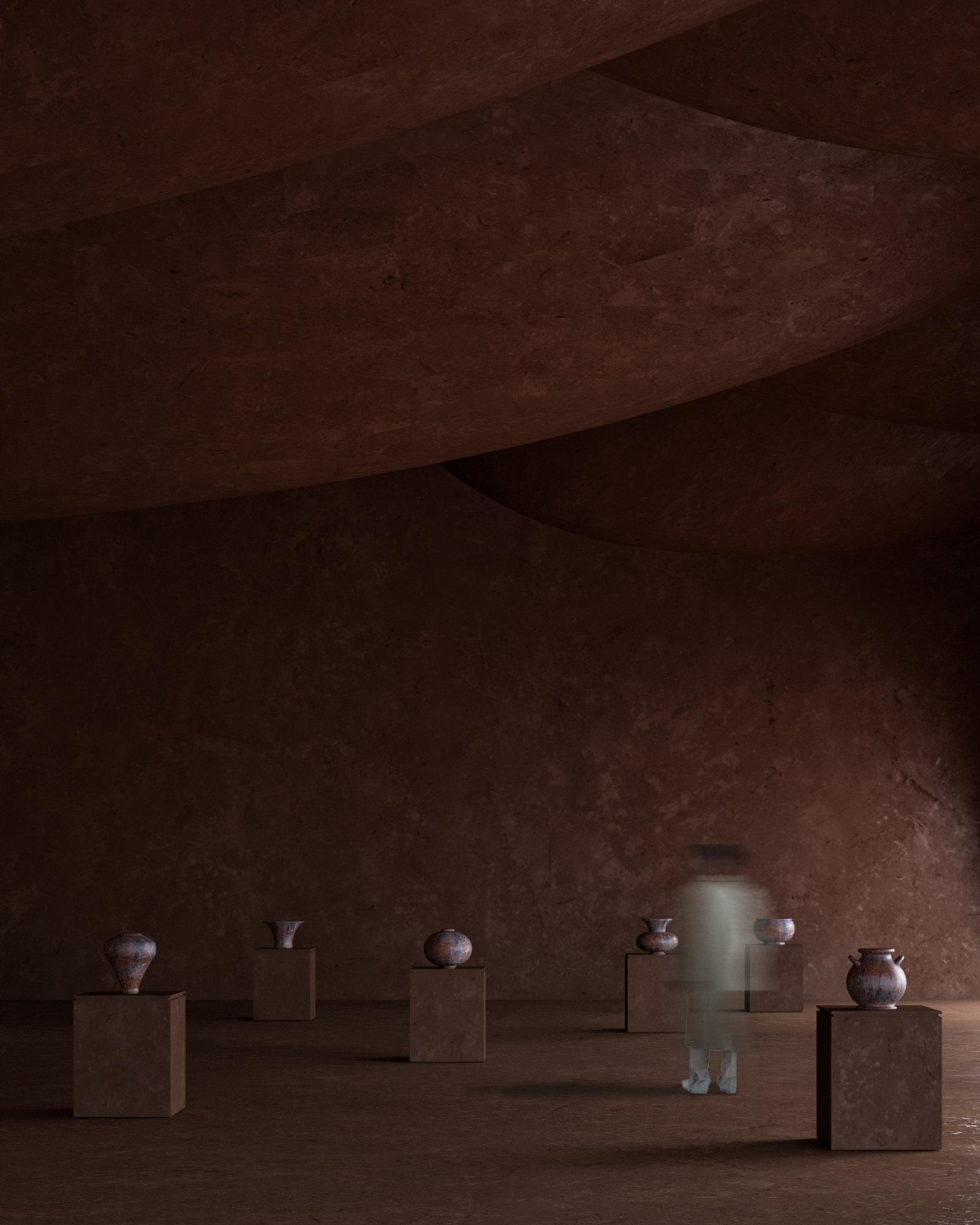
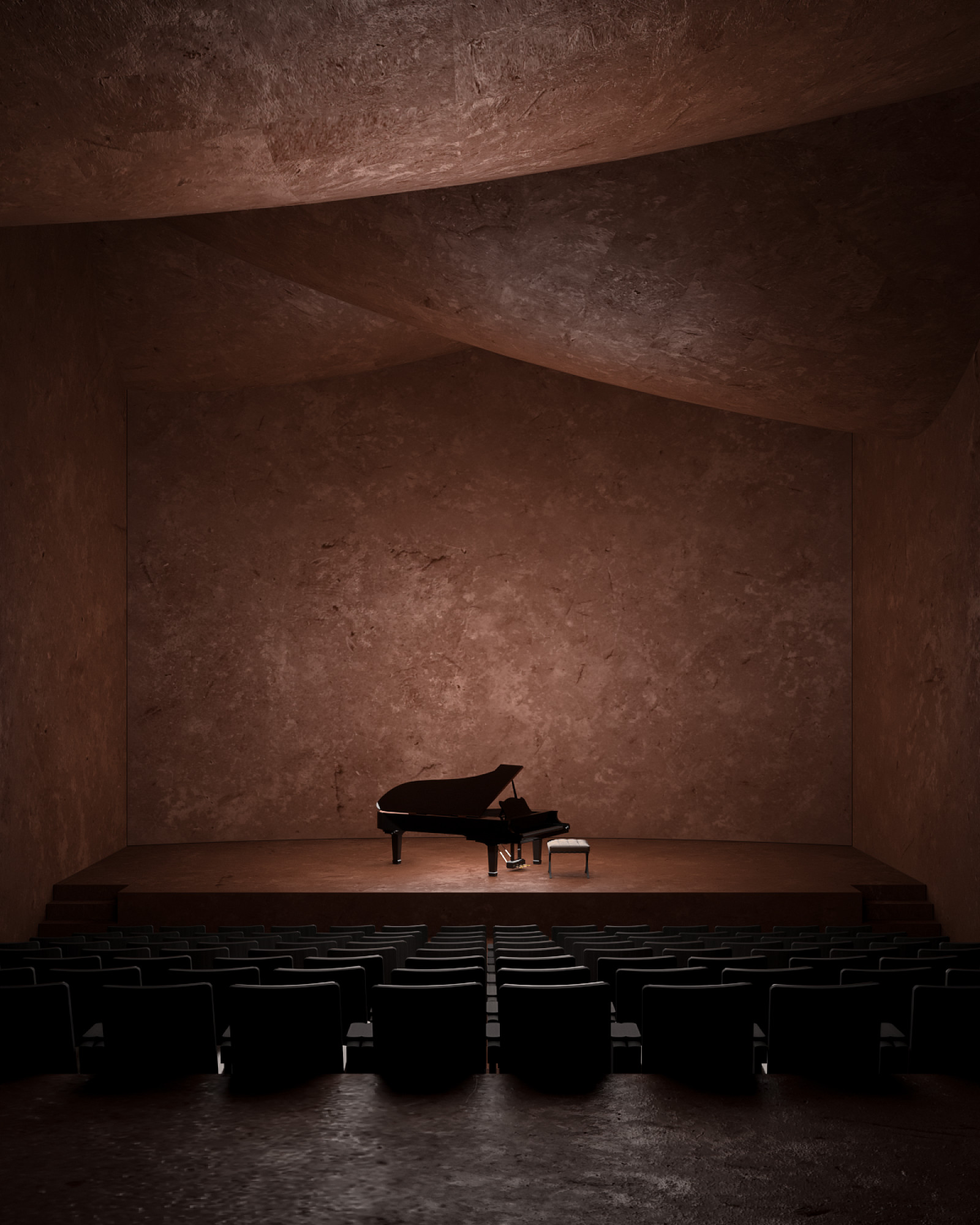
Stepping inside the Morocco Pavilion, visitors are enveloped in a captivating ambiance that evokes the warmth and hospitality of Moroccan culture. The interior spaces feature a harmonious blend of modern amenities and traditional elements, offering a comfortable and immersive experience.
Technical information
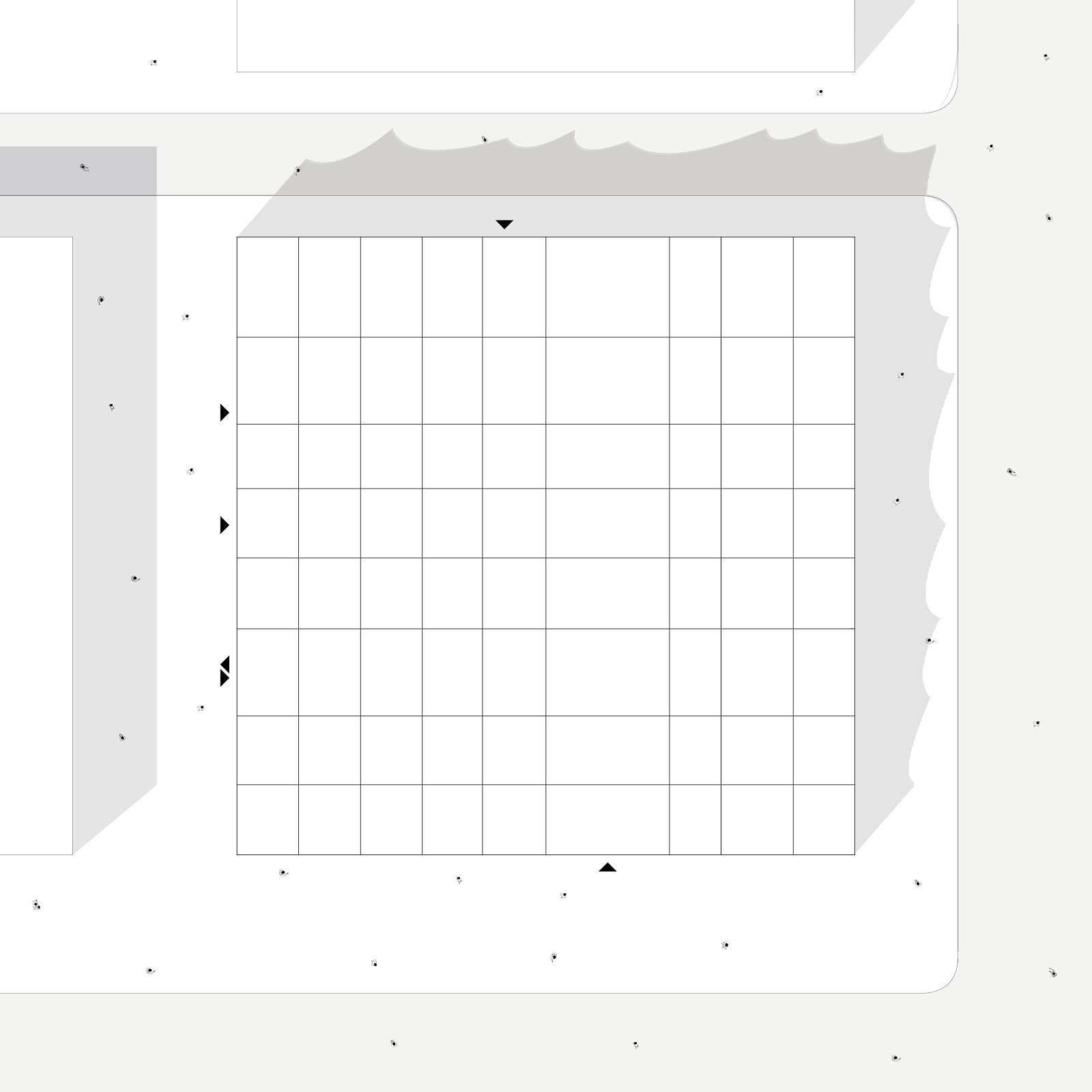
The project is conceived as a contemporary architectural expression rooted in Moroccan building traditions, combining a modern steel structural system with rammed earth walls. The primary load-bearing structure is a steel frame composed of columns, beams, and bracing elements, which ensures structural stability, efficient load transfer, and flexibility in spatial organization. This system allows for large spans and layered volumes while enabling a fast and precise construction process.
Rammed earth walls are integrated as non-load-bearing envelope elements, attached to the steel frame rather than acting as primary structural components. Made from compacted local soil layered in formwork, these walls provide substantial thermal mass, durability, and a strong material identity. Their thickness and density contribute to passive climate control by absorbing heat during the day and releasing it gradually as temperatures drop, improving indoor comfort and reducing dependence on mechanical cooling.
The interaction between the steel structure and the earthen walls is carefully resolved through mechanical connections that allow each system to perform independently. The steel frame carries vertical and lateral loads, while the rammed earth walls function as enclosure and environmental regulators, accommodating structural movement and thermal expansion without compromising material integrity. This hybrid construction strategy ensures long-term performance and resilience.
Environmentally, the project relies on passive design principles inspired by traditional Moroccan architecture. The thermal inertia of the rammed earth, combined with controlled openings, shaded areas, and natural ventilation strategies, helps moderate indoor temperatures in hot climates. Architecturally, the contrast between the lightness and precision of steel and the mass, texture, and warmth of rammed earth creates a balanced dialogue between contemporary construction and vernacular material heritage, reinforcing the project’s cultural and sustainable intent.
Created in:



Copyright © 2026 INSPIRELI | All rights reserved. Use of this website signifies your agreement to the Terms of Use, Privacy Policy, and use of cookies.