Reformify


Project idea
The idea of this project emerges from the growing environmental crisis caused by plastic waste and the parallel social issue of unequal access to educational and creative resources, particularly for children in urban communities. Large quantities of construction plastic waste are produced in London and are often discarded rather than recycled, contributing to pollution and environmental degradation.
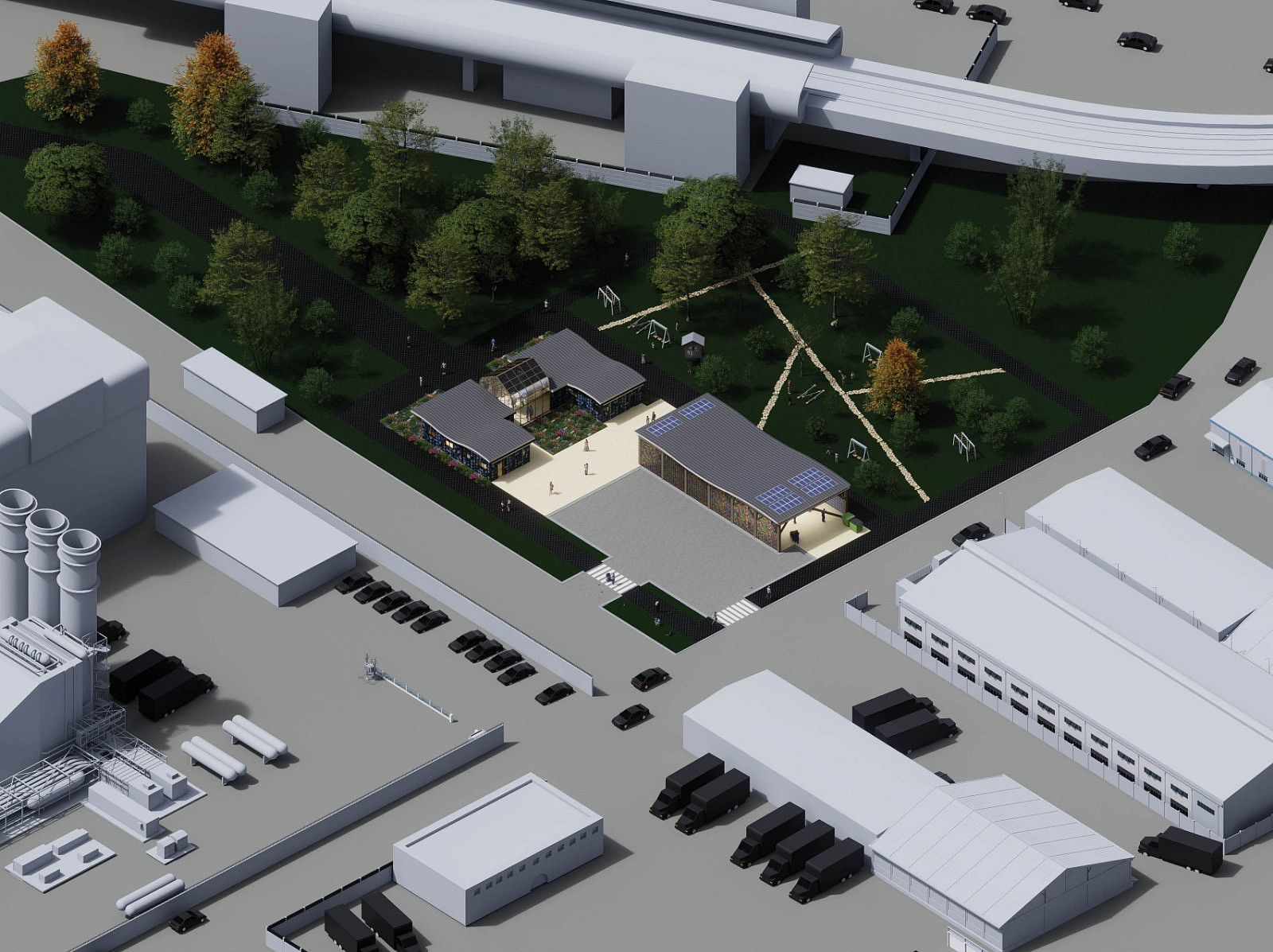
This project proposes Re-Formify, a Digital Fabrication and Recycling Centre in West Silvertown, London, which transforms construction plastic waste into new products, including toys and architectural components. The project aims to reconnect industry, community, and education by making recycling processes visible and accessible. By combining waste management with public engagement, the project seeks to demonstrate how architecture can actively contribute to circular economy principles, environmental awareness, and social inclusion.
The primary goal is to redefine waste as a valuable resource while creating a new civic space where learning, making, and sustainability coexist.
Project description
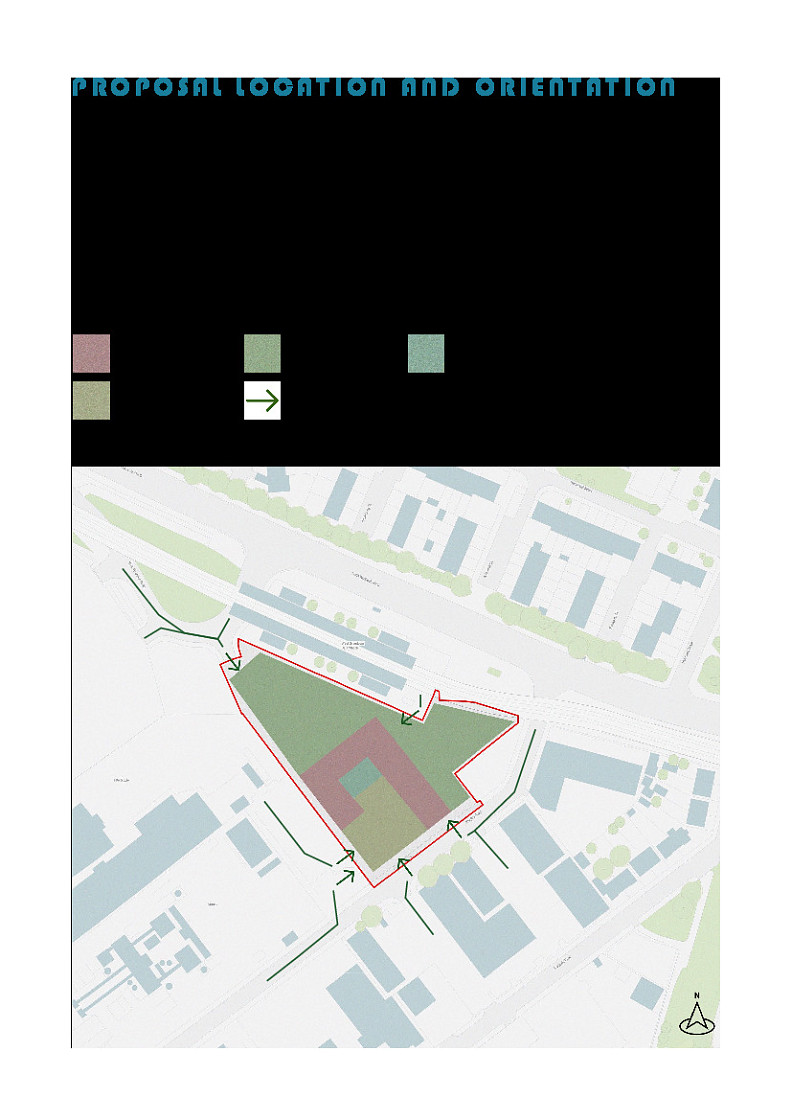
The project consists of a mixed-use facility organised into three main zones: Operational, Community & Educational, and Civic & Social.
The Operational Zone includes areas for plastic collection, sorting, shredding, extrusion, storage, and recycling. These spaces support the technical processes required to transform construction plastic waste into reusable materials and 3D-printable filament.
The Community & Educational Zone contains workshops, a community hall, and learning spaces where children and visitors can participate in free educational programs, toy-making sessions, and guided tours. Elevated walkways and transparent façades allow visitors to observe the recycling and fabrication processes without disrupting operations.
The Civic & Social Zone includes a reuse shop, reception area, and outdoor spaces such as gardens and open fields. The reuse shop sells toys and objects produced on-site, helping to fund the centre’s daily operations. Together, these spaces create a public destination that encourages social interaction, environmental education, and long-term community engagement.
Technical information
The building is primarily constructed using a timber structural system, including long-span softwood and glulam elements, allowing for large column-free interior spaces suitable for industrial and public use. The structural grid is modular, supporting flexibility, efficient construction, and future adaptability.
The façade is composed of recycled plastic tiles, demonstrating circular material use and visibly expressing the building’s environmental agenda. Additional materials include plywood interior walls, coloured glass brick partitions, and standing-seam metal roofing.
Sustainable strategies are integrated throughout the project. Solar panels are installed on south-facing roof surfaces to generate renewable energy for workshops and lighting. Rainwater gardens manage surface runoff and improve site biodiversity. Pavegen kinetic flooring is used in selected public areas to generate small amounts of energy from foot traffic, reinforcing awareness of renewable energy production.
Digital fabrication technologies such as plastic shredders, filament extruders, and FDM 3D printers are used to recycle and manufacture products on-site, ensuring a closed-loop material system that supports both environmental and educational objectives.
Documentation

Copyright © 2026 INSPIRELI | All rights reserved. Use of this website signifies your agreement to the Terms of Use, Privacy Policy, and use of cookies.